Thinking about building on a sloping block? You don’t have to rule it out, and you don’t have to go down the “massive cut-and-fill” route either. Modular homes can be a practical way to work with the land.
If you’d like a straight answer on what’s realistic for your block (and what’s likely to blow the budget), our team at Outback Building Group can help you map out the best approach early, before you lock in a design.
Sloping blocks have benefits that flat terrain can’t match. These blocks can cost less than flat sites and often come at bargain prices. They also create opportunities for stunning views and unique character. Project builders might charge up to $50,000 extra to build on these challenging terrains.
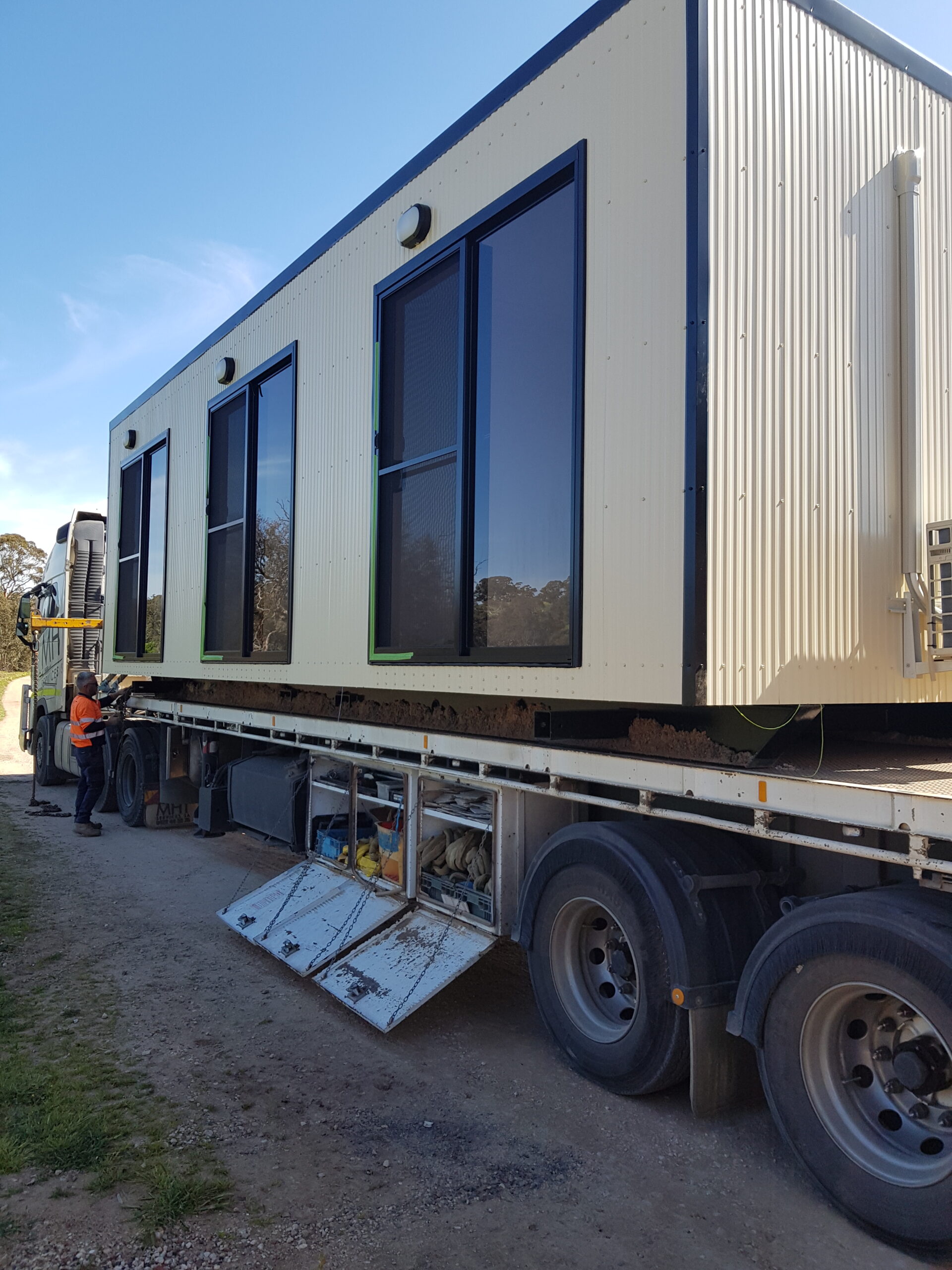
Modular homes are a smart solution for these sites. The construction happens mostly in factories, with 90% of work completed off-site. This cuts down on-site disruption, which is a vital benefit for steep blocks. Your planning process should start with understanding the block’s building costs. The slope’s severity affects construction complexity. Gentle slopes with less than 1m fall are easy to work with. Steeper gradients over 3m fall need special building approaches. Kit homes for sloping blocks can follow the land’s natural contour. This design approach often removes the need for major excavation and reduces site costs.
Why Sloping Blocks Are Worth Considering
Most people think sloping blocks are challenging, but they actually give homeowners great opportunities to create unique living spaces. These slopes aren’t obstacles. They’re assets that can make your building project stand out.
Better views and natural light
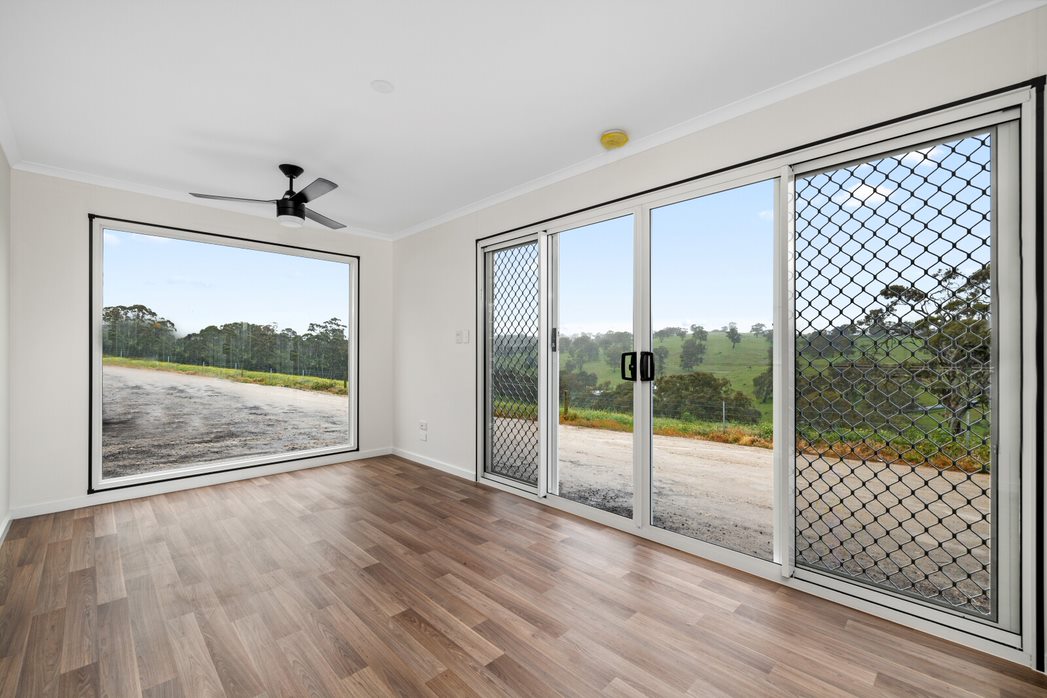
A sloping site naturally raises your home’s position and creates perfect spots to enjoy stunning panoramic views. Your morning coffee tastes better with views of peaceful bushland, coastal waters, or city skylines, something flat blocks just can’t match. The higher position lets more natural sunlight flood your home throughout the day. Windows placed in the right spots bring in plenty of light. Multi-level homes usually have more window space, which can cut down your artificial lighting needs and power bills.
Unique design opportunities
Sloping land sparks creative architectural ideas that wouldn’t work on flat ground. Split-level designs add visual appeal and character while working with the land’s natural shape. Here are some possibilities:
- Multi-level living spaces that flow with the landscape
- Terraced gardens that blend naturally with the surroundings
- Under-stair storage and vertical cabinetry that maximise space
These design elements create homes that stand out and connect with their environment, moving beyond standard housing designs.
Improved privacy and airflow
The natural height of a sloping block gives you built-in privacy from neighbours and street views. Smart orientation helps minimise unwanted sightlines while creating private outdoor spaces and peaceful living areas. Homes on slopes can also get better natural ventilation because different height levels help air move through the building naturally. Better air circulation means less need for air conditioning in summer, which makes your home more comfortable and saves energy.
Potential for higher resale value
Homes on sloping blocks often sell for more in the real estate market. Properties above sea level can fetch higher prices than those on lower ground, which can mean better returns over time. The mix of unique architecture, great views, and smart design solutions creates homes that really appeal to buyers and can make strong long-term investments. A well-designed home on a slope stands out from the street and offers value that flat blocks rarely match.
Common Challenges When Building on a Slope
Building on a sloping block offers great views, but you’ll face several technical challenges that need careful planning. A good understanding of these challenges helps you budget properly and choose the right construction approach for your land.
Site access and excavation needs
Getting equipment and materials to the building site becomes your first challenge on sloped terrain. Trucks, excavators, and cranes can struggle to access areas with steep gradients and narrow frontages safely. These problems get worse in muddy conditions, and you might need extra workers and specialised equipment like cranes.
The slope’s steepness determines how complex excavation becomes. Rock formations make the process more expensive and time-consuming. A proper soil assessment is vital since high moisture levels or clay content can affect your structure’s stability.
Retaining walls and drainage issues
Drainage becomes a key factor when you build on slopes. Poor planning can lead to erosion, foundation movement, and water damage. Water naturally flows downhill on sloped landscapes and creates problems without proper management.
Retaining walls help create level areas for construction and stop soil erosion. You’ll need engineering certification and council approval for walls taller than 1 metre. Every retaining wall needs proper subsoil drainage systems with ag pipes and gravel backfill to prevent water pressure build-up.
Geotechnical reports and council regulations
A complete site analysis should happen before construction starts. Geotechnical reports (soil tests or site classifications) show soil composition, stability, and movement risks. Engineers use these reports to design foundations that match your site’s conditions.
Your local council will likely have specific rules for sloping sites. These can include height limits, setbacks, and ways to manage stormwater. Steeper slopes in some areas may need extra paperwork like landslip risk assessments.
Increased build complexity
Sloping blocks demand more from your structure. Build costs can go up by $30,000–$76,000 compared to flat blocks because of specialised foundation work. You’ll often pay more for extra concrete in deeper footings, reinforced suspended floors, and extensive earthworks.
Your designer and builder’s experience makes all the difference when handling these technical challenges. Good planning helps your sloping block home overcome these obstacles while keeping the benefits of elevated living.
How Modular Homes Solve Sloping Block Problems
Modular construction provides practical solutions to sloping terrain challenges. It can turn common building headaches into advantages through a different approach.
Minimal site disruption with off-site construction
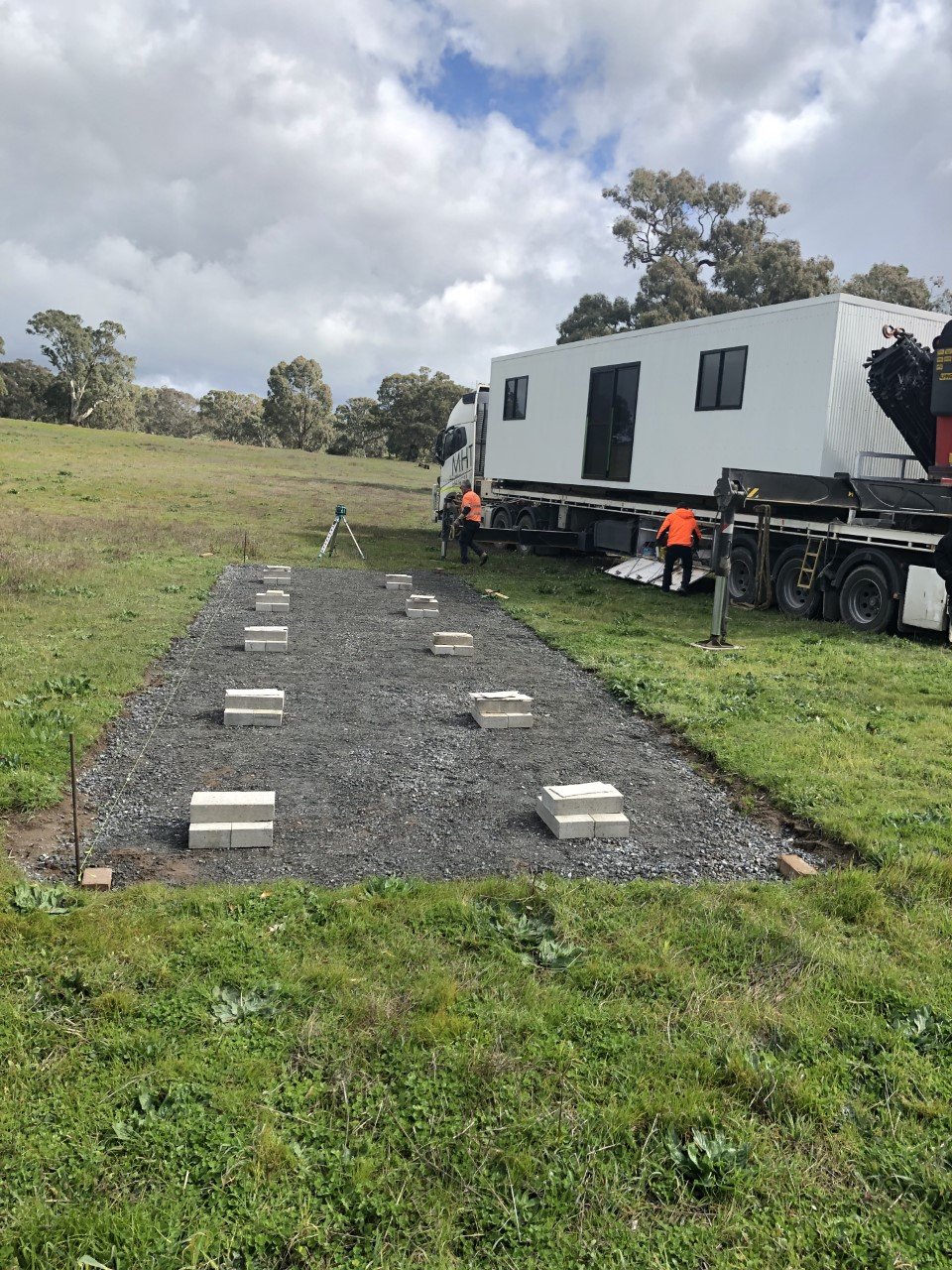
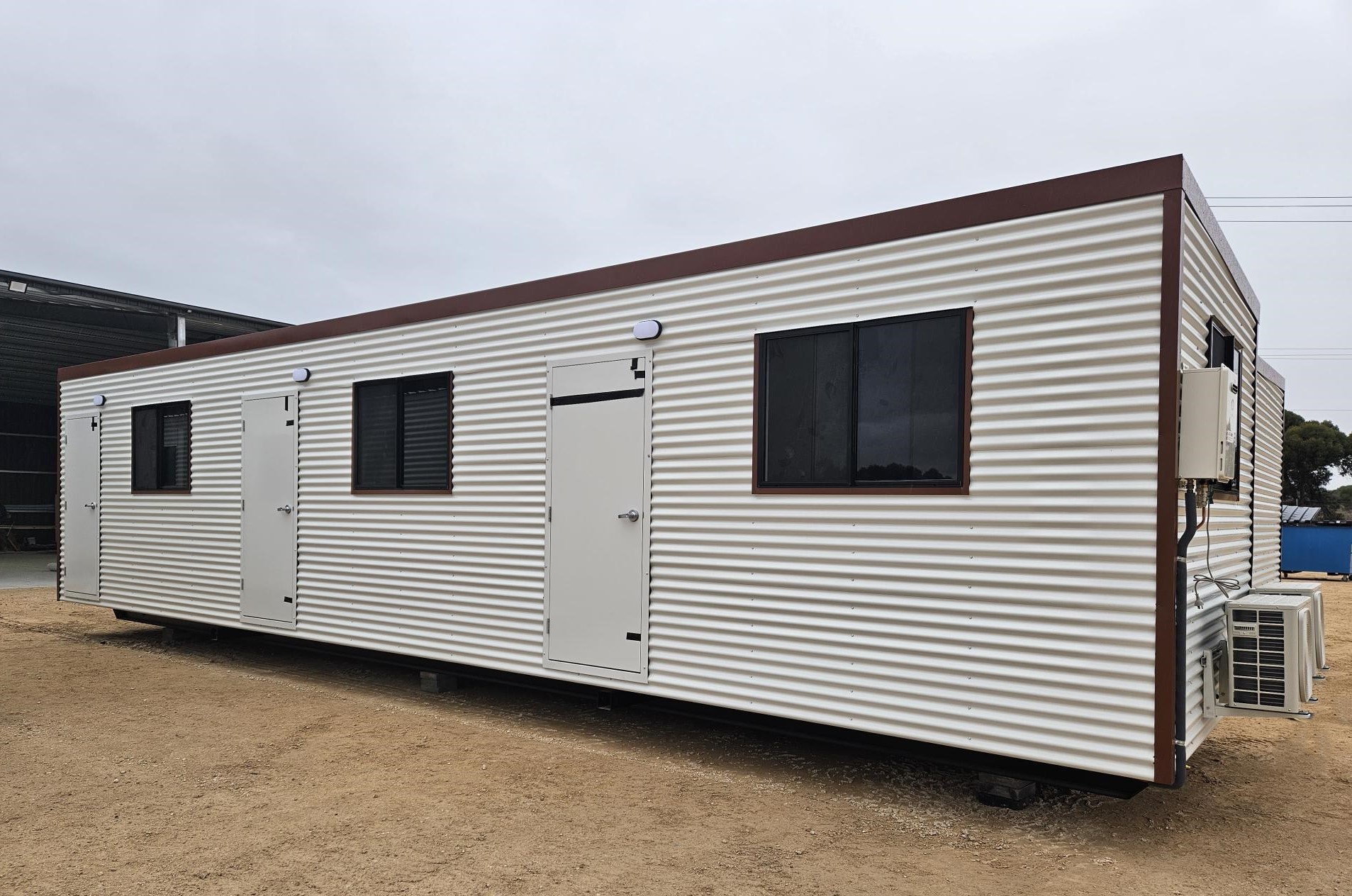
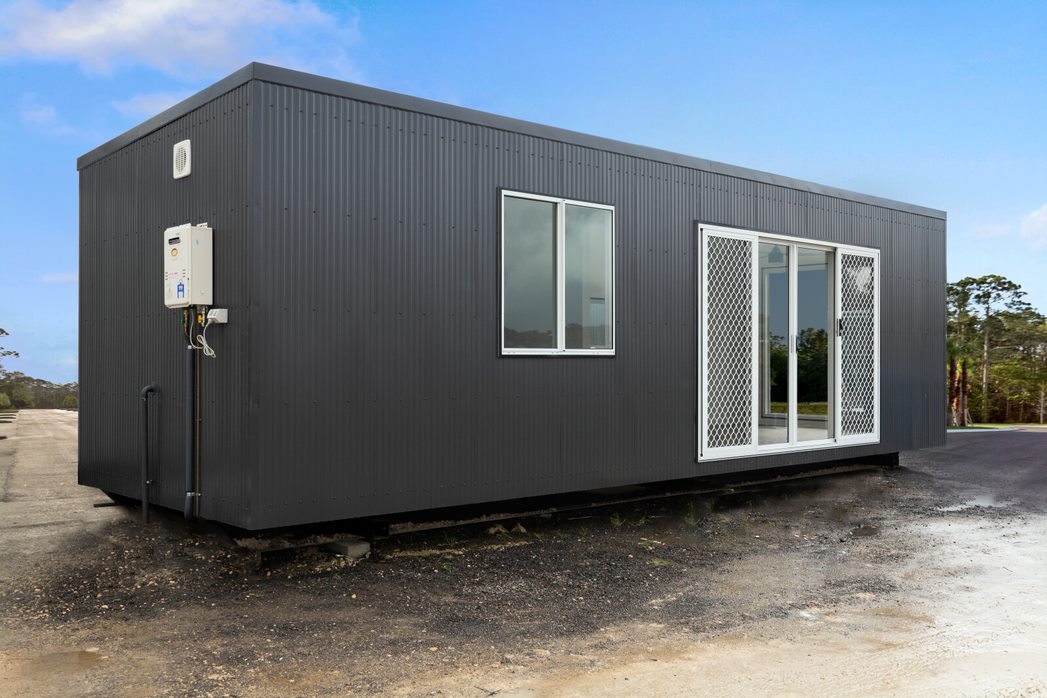
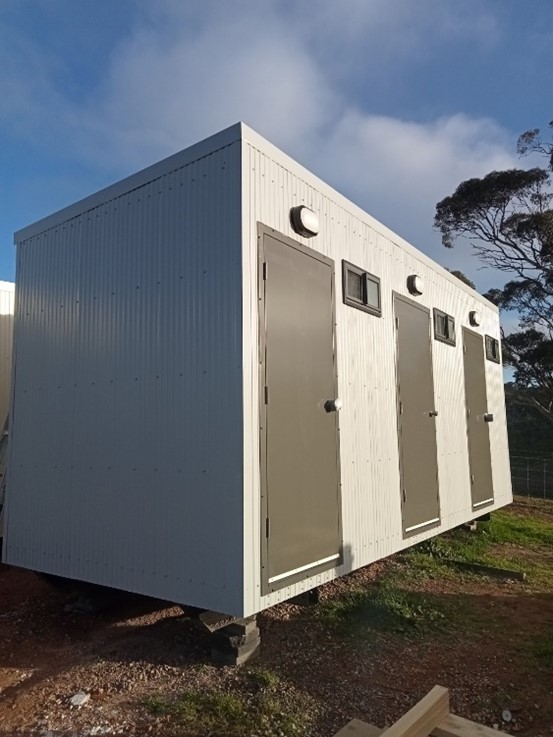
Modular homes are constructed to approximately 90% completion in controlled factory environments before delivery. This method keeps site disruption minimal, which is a major benefit for steep blocks where extensive excavation might otherwise be needed. The main construction happens away from your property, so your land’s natural drainage patterns, vegetation, and soil stability stay largely undisturbed.
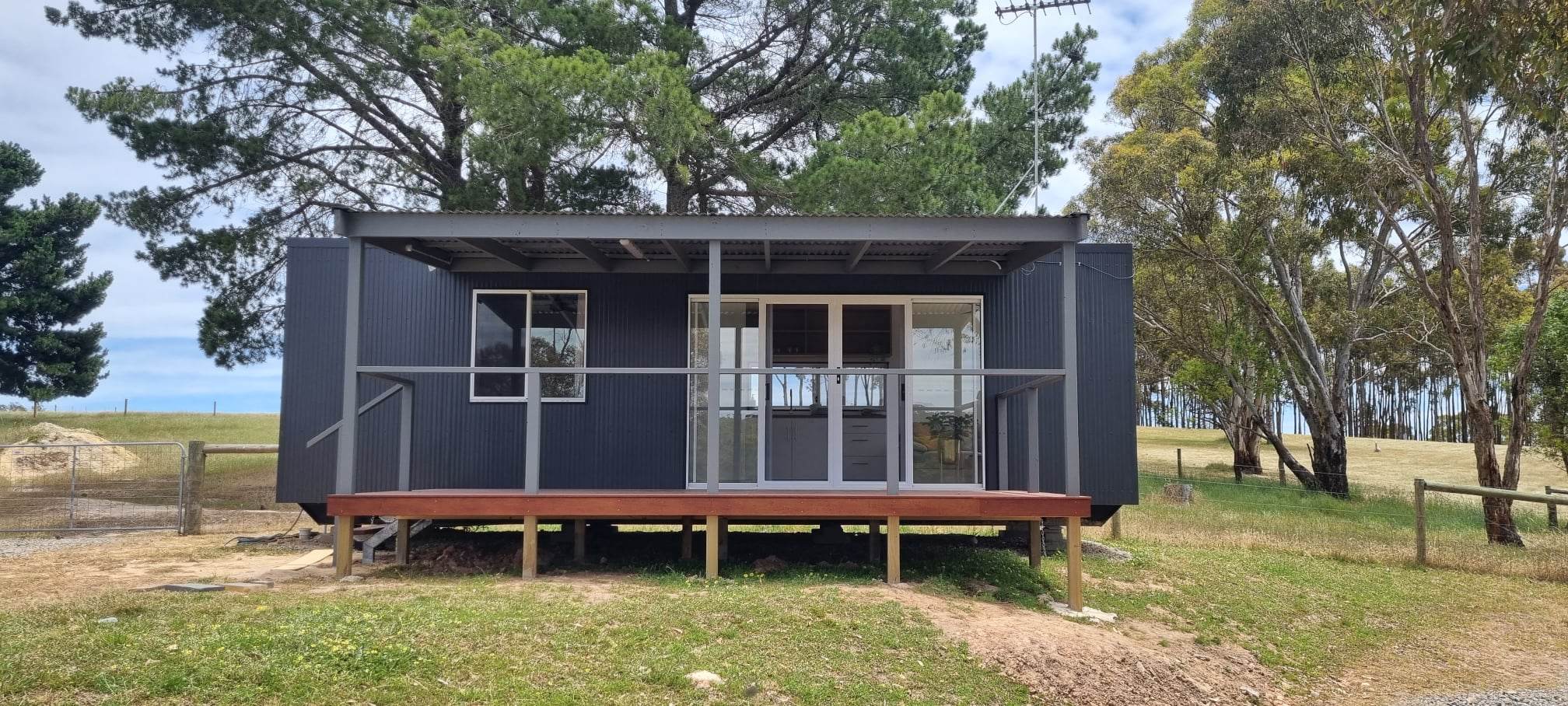
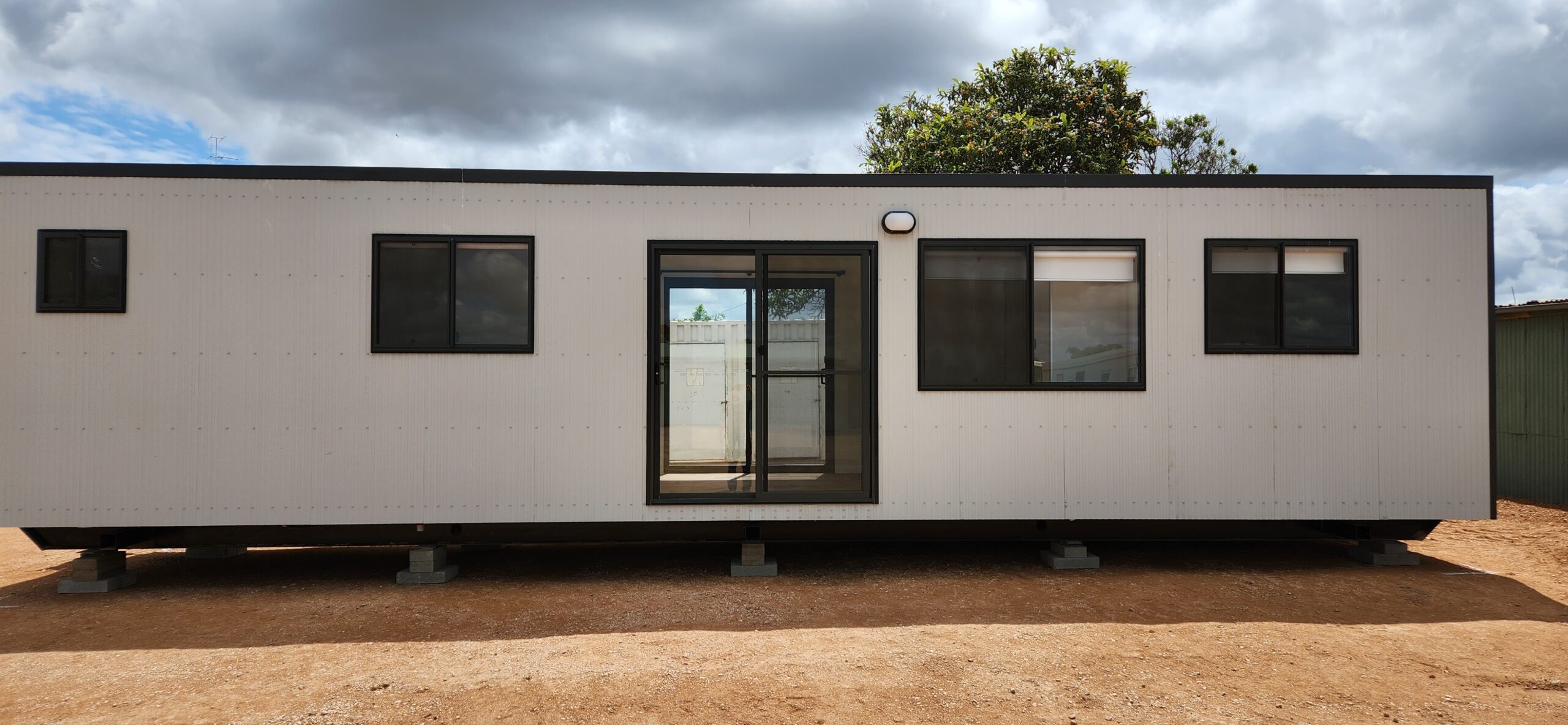
Flexible foundation systems: stumps and piers
The backbone of modular success on slopes lies in adaptive foundation systems:
- Pier and stump systems support the home on strategically placed columns that transfer weight to stable ground below. This creates space between your home and the land.
- Screw piles can be installed with minimal ground disturbance and can eliminate the need for concrete in some cases.
These systems help keep the home perfectly level even on challenging terrain. They can also eliminate the need for expensive cut-and-fill earthworks.
Faster build times and fewer weather delays
Modular construction brings another major advantage on slopes. Site preparation and home construction can happen at the same time, which can cut the overall timeline significantly. Traditional builds on sloping sites might take 18 months. However, modular approaches can allow you to move in within 5–9 months from signing the contract.
Designs that follow the land’s natural contour
Modular designs can work with your property’s natural features instead of forcing the land to accommodate the house. Split-level configurations, stepped modules, and cantilever designs let these homes “dance over the land” rather than fight against it. This approach preserves your block’s character and can deliver budget-friendly results through reduced earthworks.
Cost Considerations and Smart Planning
Smart planning can turn budget challenges into manageable investments when building on a sloping block. Money matters need careful thought to avoid going over budget.
Understanding the cost of building on a sloping block
Building on slopes can cost $30,000–$76,000 more than flat blocks. Your costs go up based on how steep the land is. Gentle slopes (under 1m fall) can add about $15,000–$30,000, moderate slopes (1–2m) can need $61,000–$107,000, while steep slopes (over 2m) can add more than $152,000 to your costs. Sloping land might be cheaper to buy, but site preparation costs will affect your total investment.
How to reduce site preparation expenses
You can cut costs by working with your land’s natural shape. Split-level designs need less digging, fewer retaining walls, and less soil removal. Stepped footings that follow the natural slope can reduce the need for major retaining structures while keeping the building strong. Steep sites can also suit pier-and-beam foundations since they barely disturb the ground.
When to consider kit homes for sloping blocks
Kit homes can work well on sloping blocks because builders complete 90% of the work off-site, which cuts down on-site disruption. You can prepare the site while the house is being built elsewhere, which can make the whole project faster. These designs also work well with natural slopes through raised foundations, so you can spend less on moving earth.
Why early site assessment saves money
Getting your site checked early is one of the smartest financial moves you can make. This step helps you understand what challenges lie ahead. A full assessment can reveal soil stability, drainage needs, and excavation requirements, so you avoid expensive changes during construction. Talking to builders before you lock in plans also helps prevent costly design changes later.
How Outback Building Group Can Help With Sloping Blocks
If you’re building on a sloping block, the biggest cost blowouts usually come from site works and foundation choices, not the “home” part. This is where modular can make a difference, but only if the design and installation plan suits your slope.
Outback Building Group can help you:
- sanity-check what’s realistic for your block before you commit to plans
- recommend a modular approach that suits your site (including raised foundations like stumps, piers, or screw piles where appropriate)
- reduce unnecessary site disruption by doing most of the build off-site
- keep the process straightforward by planning the site works and delivery around your access and slope constraints
If you want guidance on the next step, reach out, and we’ll help you work out the smartest path forward for your block.