If you’ve been looking into building a new home in Australia, you’ve probably come across the terms “prefab” and “modular,” and you’ve probably noticed they get used interchangeably (a lot). But while there’s plenty of overlap, they’re not exactly the same thing, and understanding the difference can save you time, money and a fair bit of confusion when you’re planning your project.
In this article, we’ll break down what each term actually means, how the construction processes differ, and what to consider when deciding which approach suits your situation.
What Does “Prefab” Actually Mean?
“Prefab” is short for prefabricated, and it’s really an umbrella term. It covers any type of building (or building component) that’s constructed off-site in a factory before being delivered to your land for assembly or installation.
Under that umbrella, you’ll find several different construction methods:
- Modular homes: Built as complete, fully finished sections (or modules) in a factory, then transported to site and assembled on a permanent foundation.
- Panelised homes: Wall panels, floor sections and roof trusses are manufactured off-site, then delivered and assembled on the building site by local builders.
- Kit homes: Materials are pre-cut and supplied as a package, but the actual construction happens on-site. You’re essentially getting the pieces, not a finished product.
- Flat-pack or pre-cut construction: Similar to kit homes, with components designed for efficient on-site assembly.
So here’s the key takeaway: all modular homes are prefab, but not all prefab homes are modular. “Prefab” describes where something is built (off-site). “Modular” describes how it’s built (as complete, volumetric sections in a factory-controlled environment).
What Are Modular Homes?
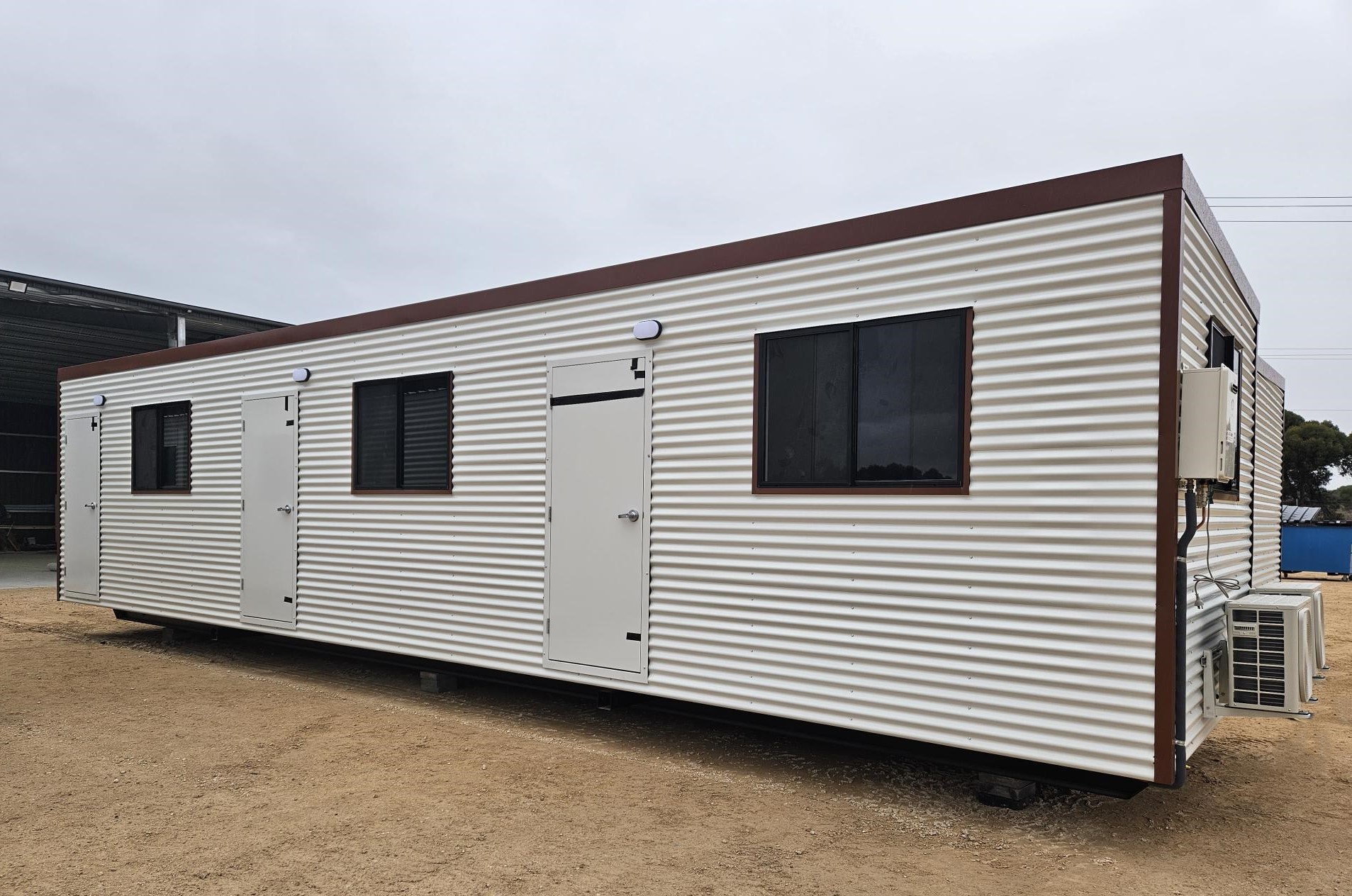
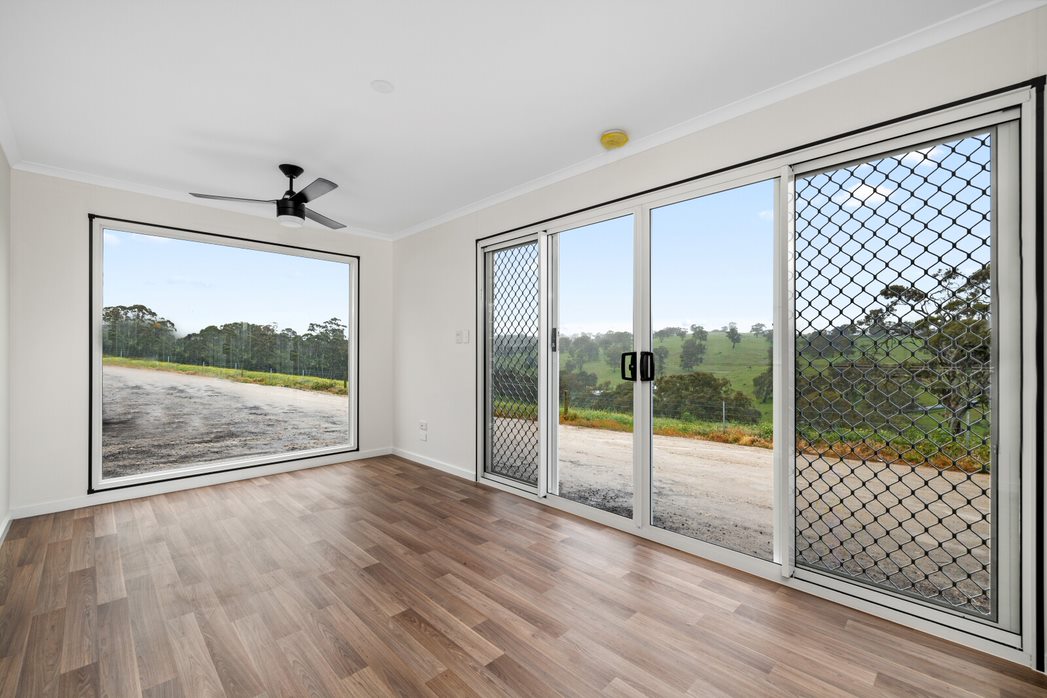
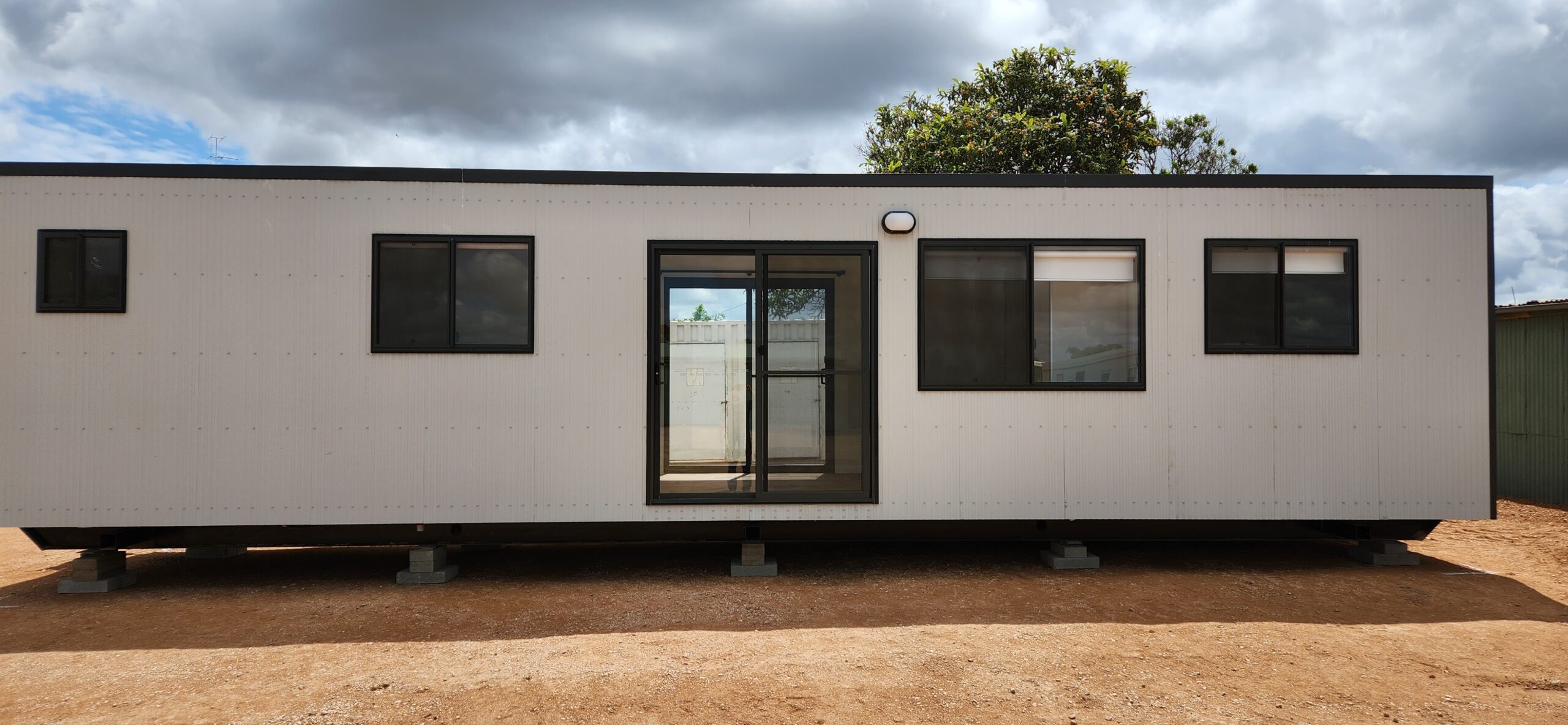
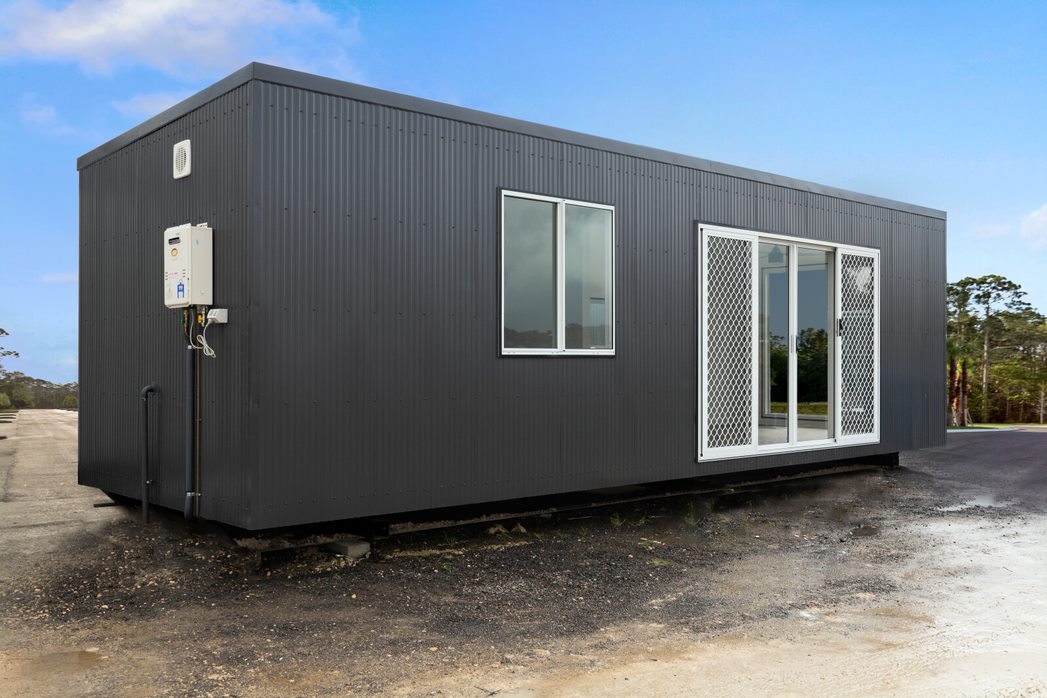
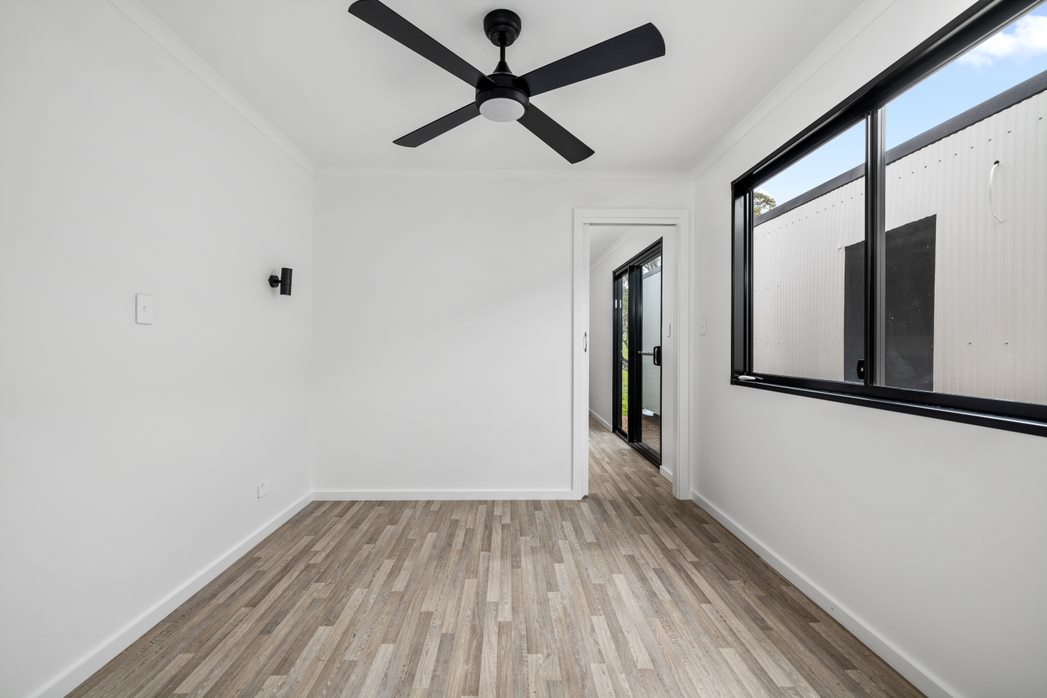
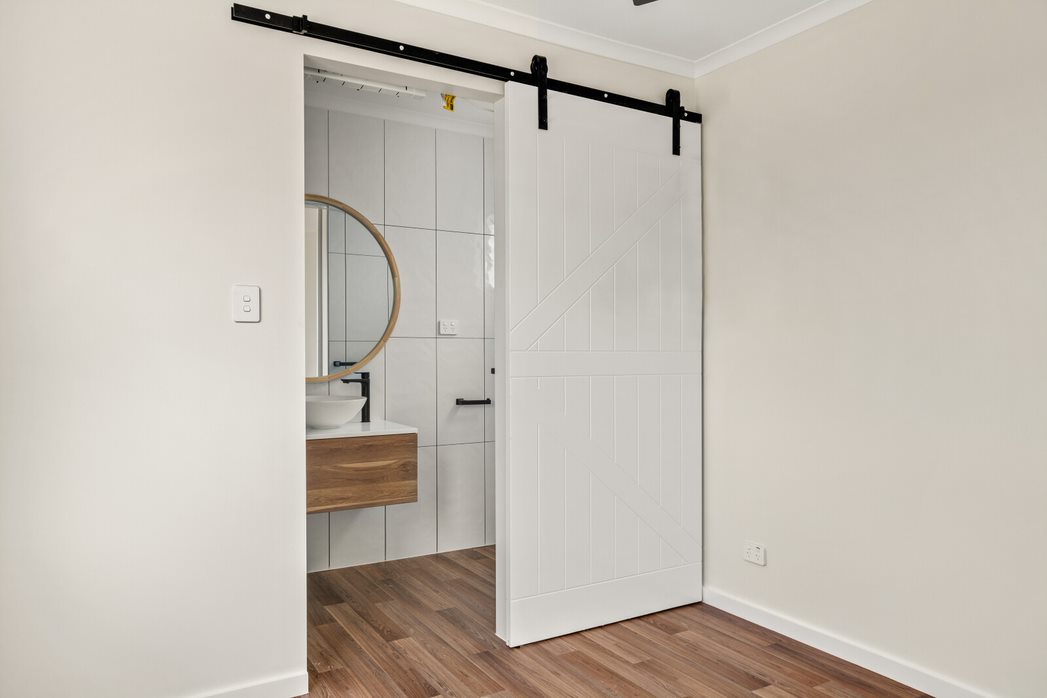
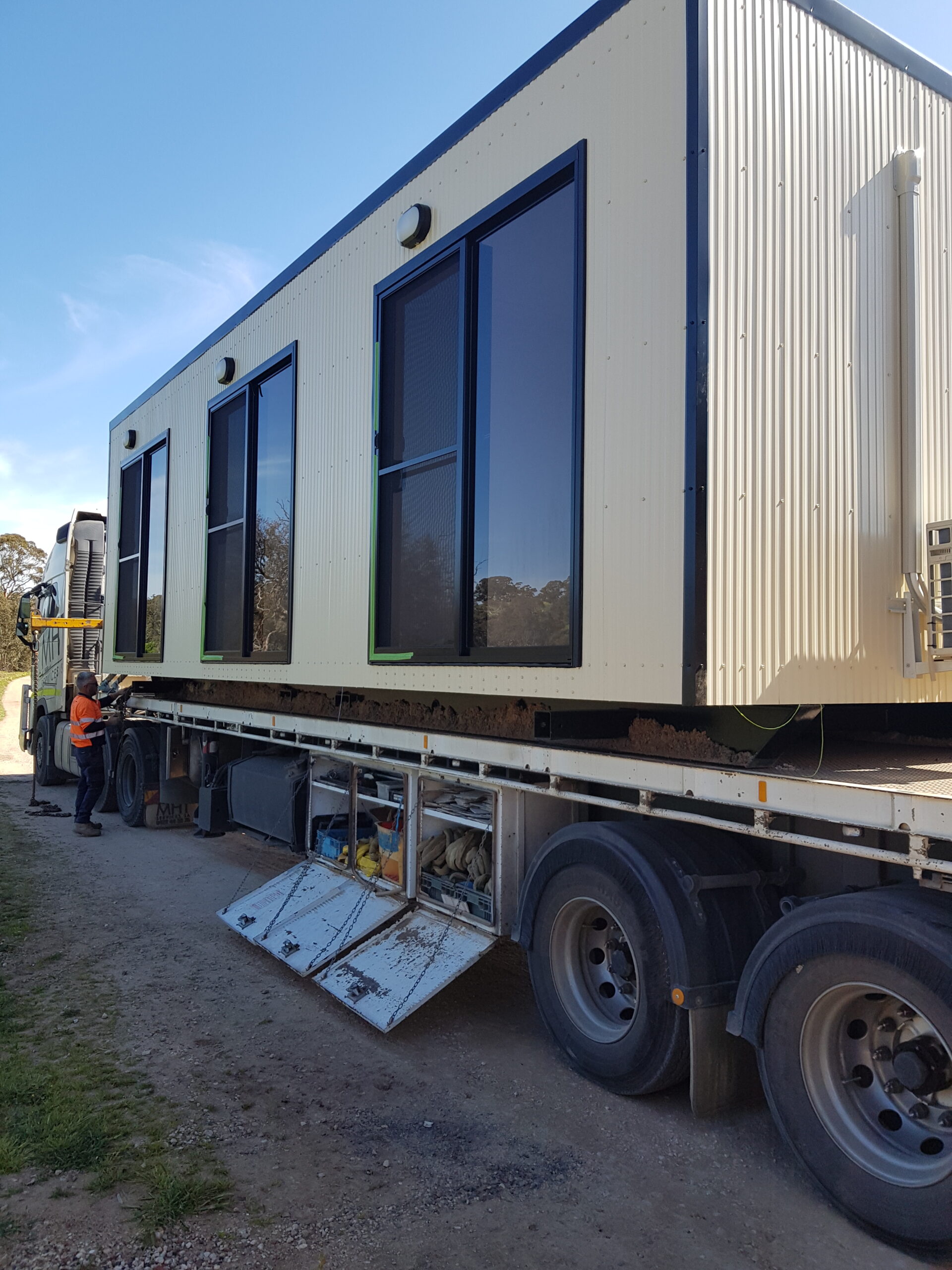
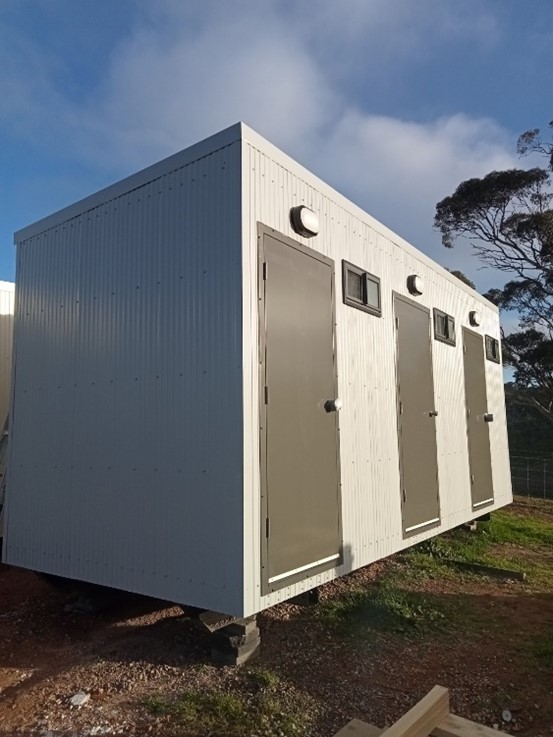
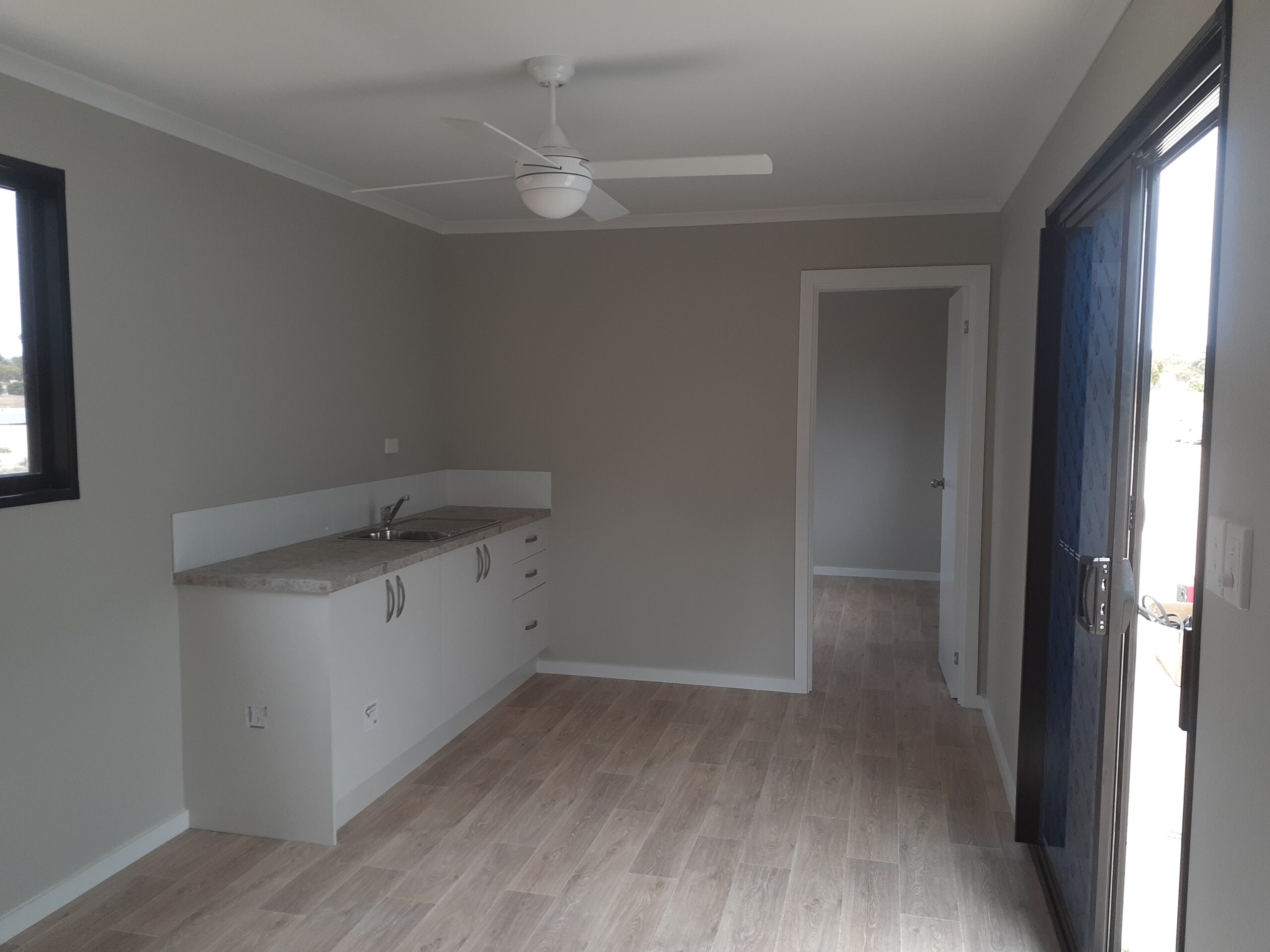
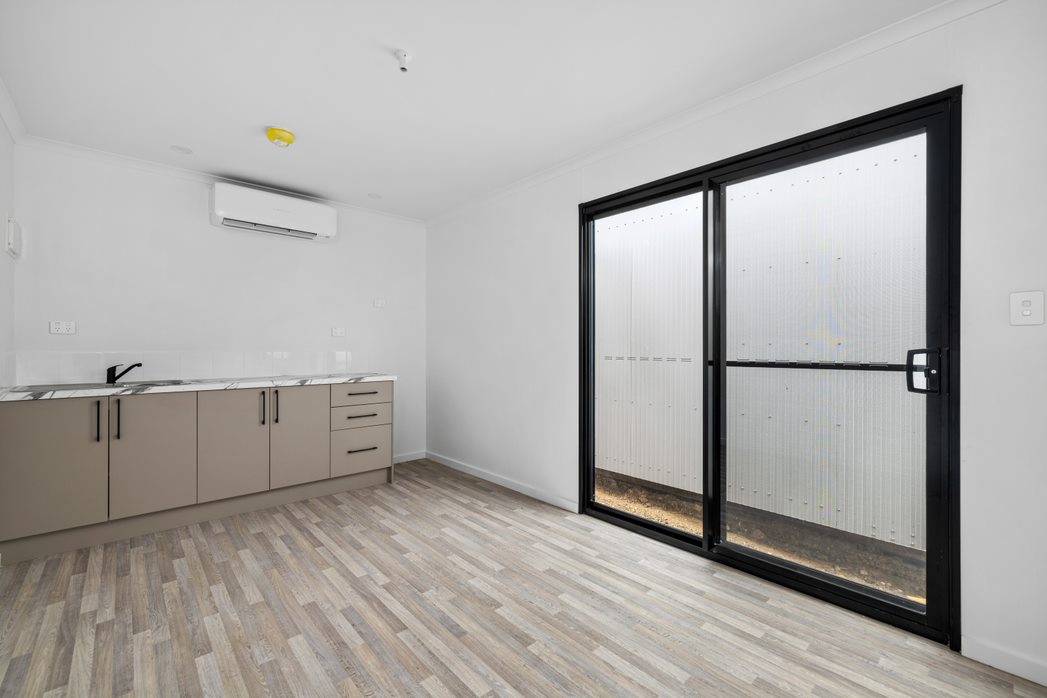
Modular homes are built in complete sections (often referred to as modules) inside a purpose-built factory. Each module can include walls, flooring, wiring, plumbing, insulation, cabinetry and interior finishes. By the time a module leaves the factory, it’s typically 80–95% complete.
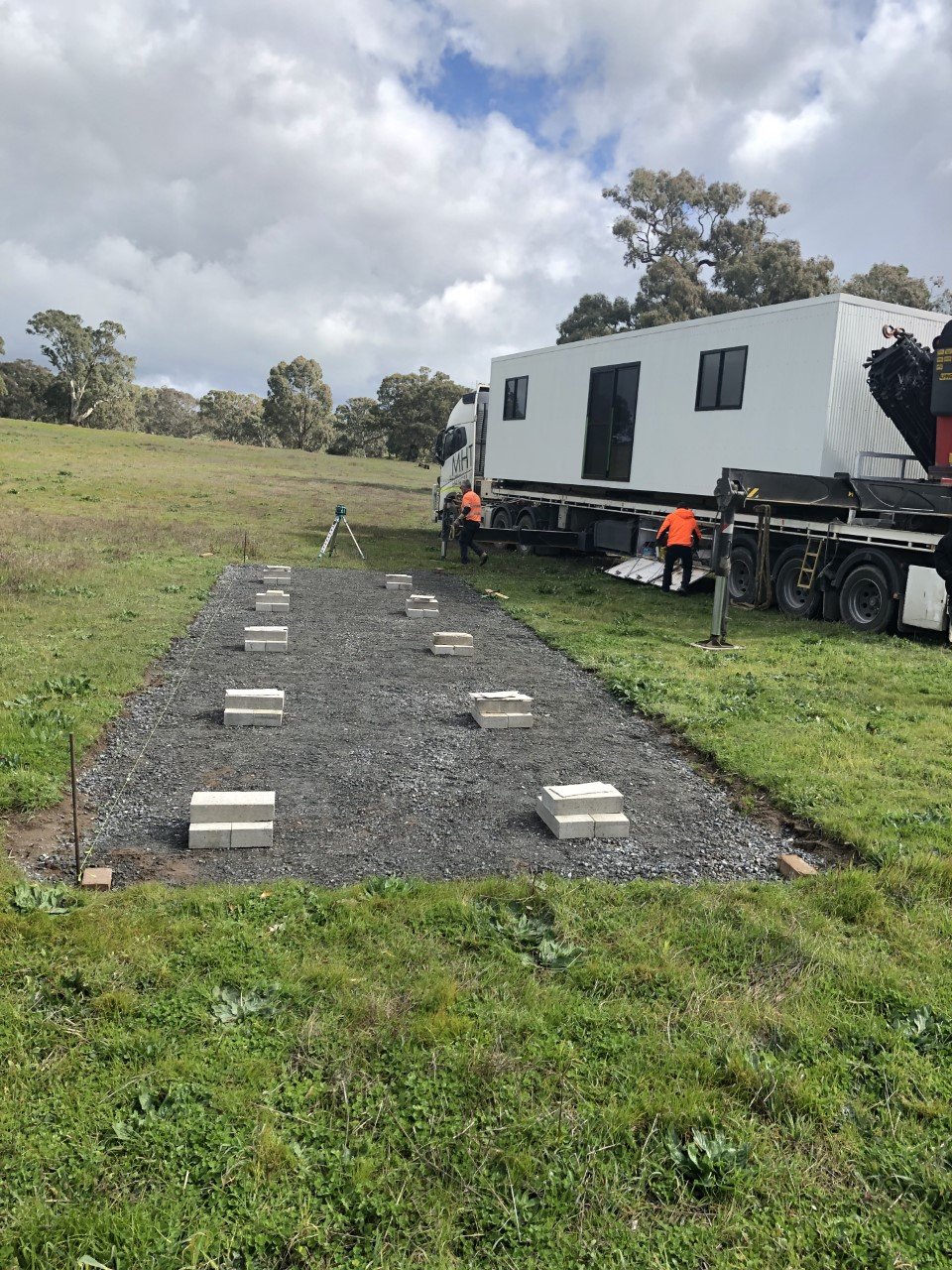
Those modules are then transported to your building site, craned into position on a prepared foundation, and joined together. The on-site work that remains, like connecting utilities, sealing joins, and finishing any external cladding, is usually done within days.
Because the construction happens in a controlled factory environment, it’s not affected by rain, extreme heat, or the kind of supply delays that regularly slow down traditional site-built homes. The result is a faster, more predictable building process with tighter quality control at every stage.
And despite what some people still assume, modular homes in Australia are built to the same National Construction Code (NCC) standards as any traditionally constructed home. They’re permanent structures on permanent foundations: Not to be confused with manufactured or mobile homes, which sit on a steel chassis and fall under different standards entirely.
How Do Prefab Homes Differ?
When people say “prefab home” without being more specific, they could be referring to any of the construction types we mentioned above. The experience you get depends heavily on which method is being used.
With a panelised prefab home, for example, the factory builds your wall frames, floor panels and trusses – but the actual on-site assembly still takes weeks. There’s more work happening at the building site, which means more exposure to weather delays and a longer overall timeline compared to modular construction.
Kit homes take this even further. You receive pre-cut materials, but the building process on-site is similar to traditional construction in terms of time and labour. Some kit home projects can take just as long as a conventional build.
Modular construction, by comparison, front-loads most of the work into the factory phase. The on-site portion is shorter, more predictable, and generally less disruptive to your property and neighbours.
Cost Comparison: Prefab vs Modular Homes
Cost is usually one of the first questions people have, and the honest answer is that it depends on the type of prefab construction you’re comparing.
Modular homes tend to offerstrong cost efficiency because the factory setting reduces labour hours, minimises material waste, and compresses the overall project timeline. Fewer days on-site also means lower costs for site management, temporary facilities and equipment hire. That said, transport and crane costs for delivering complete modules can add to the budget, especially for remote or difficult-to-access sites.
Panelised and kit homes can have lower upfront material costs, but the longer on-site build times often close that gap. Labour, weather delays and the need for more on-site trades can push the final cost higher than expected.
Traditional site-built homes generally carry the highest overall cost when you factor in longer timelines, greater waste, and more exposure to delays and price fluctuations in materials and labour.
As a rough guide, modular home prices in Australia can start from around $120,000 for a compact one-bedroom design and go well beyond $350,000 for larger, fully custom builds (though the final figure for any project will depend on your specific design, site conditions, finishes and transport distance).
Design and Customisation Options
One of the biggest misconceptions about prefab and modular homes is that you’re stuck with a handful of cookie-cutter floor plans. That may have been true 20 years ago, but the industry has moved on.
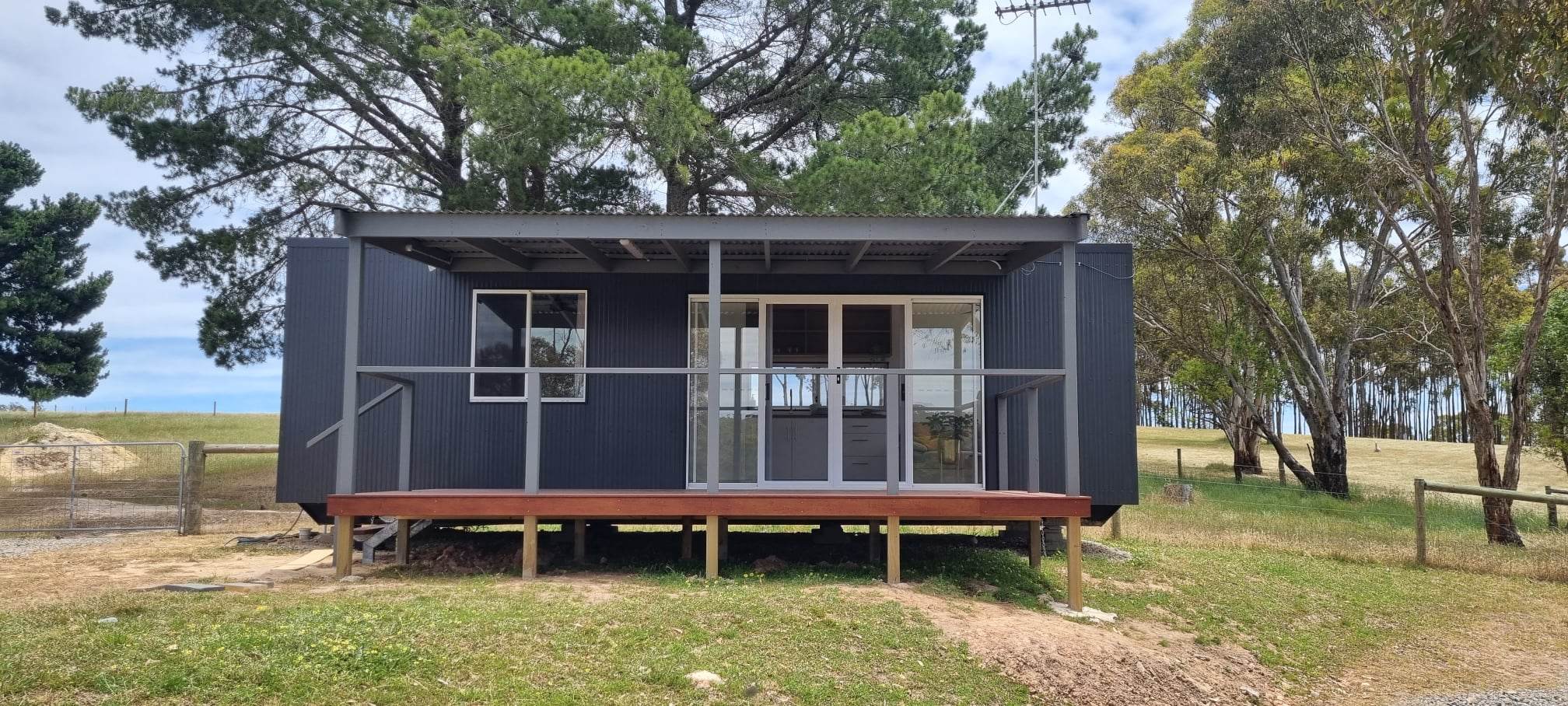
Modern modular homes can beextensively customised. Want to adjust a floor plan to suit your block? Add a deck or alfresco area? Specify sustainable materials or solar-ready infrastructure? That’s all standard practice for a good modular builder.
Panelised prefab homes also offer solid design flexibility, particularly because the on-site assembly phase allows for adjustments. Kit homes, depending on the supplier, can range from highly flexible to fairly rigid in terms of what’s included.
Where traditional construction still has an edge is on highly complex, architecturally bespoke designs (think curved walls, multi-level builds on steep terrain, or very unusual site conditions). For the vast majority of residential projects, though, modular and prefab construction can deliver the design flexibility you need.
Speed of Construction
This is where modular homes really stand out. Because the factory build and site preparation can happen at the same time (rather than one after the other), the total project timeline shrinks considerably.
A typical modular home can be completed within 12 to 20 weeks from approval to move-in. Compare that to a traditional build, which commonly takes 9 to 12 months or longer, and the time savings are significant.
Panelised prefab homes sit somewhere in between: faster than traditional, but not as quick as modular, because more assembly work is required at the building site.
For anyone working to a deadline, the compressed timeline of modular construction is a genuine advantage.
Sustainability and Environmental Impact
Sustainable building practices are becoming a priority for more Australian homebuyers, and this is an area where factory-based construction methods genuinely perform well.
Modular construction produces significantly less waste than traditional building. In a factory setting, materials are ordered precisely, and offcuts can be recycled or reused across projects. Controlled conditions also mean less damage to materials from weather exposure during the build.
Energy efficiency is built into the design of most modern modular homes. Features like high-performance insulation, efficient glazing, smart orientation and tight building envelopes help reduce energy consumption and ongoing living costs. Many Australian modular builders now design homes that meet or exceed current energy efficiency standards.
Prefab homes built using panelised or kit methods also offer sustainability benefits, mainly through reduced waste and more efficient use of materials, though the longer on-site build phase can offset some of those gains.
If you’re planning a sustainable or off-grid project, modular construction gives you a strong starting point. Options like solar-ready roofing, rainwater harvesting, water-efficient fixtures and sustainably sourced materials can all be incorporated during the factory build phase.
Building Regulations and Standards
Both prefab and modular homes in Australia must comply with the National Construction Code and all relevant state and local planning regulations. This is a non-negotiable regardless of how or where the home is constructed.
Modular homes, because they’re built in a factory under consistent conditions, often benefit from stricter quality control processes than what’s practical on a typical building site. Each stage of the build can be inspected and verified before the module moves to the next phase.
It’s worth noting that the Australian Building Codes Board (ABCB) has been actively working with industry and government to support the growth of prefabricated and modular construction. This includes developing clearer guidance on compliance, which is good news for anyone considering an off-site built home.
Local council requirements still apply as they would with any new home. A good modular builder will help you navigate this process as part of the project.
Questions to Ask Before You Decide
If you’re weighing up your options, here are some practical questions worth considering:
- What’s your timeline? If you need to move in quickly, modular construction will almost always be faster than other methods.
- What’s your site like? Modular homes need good access for delivery trucks and cranes. If your site is very steep, narrow or remote, discuss logistics with your builder early.
- How much customisation do you need? For most residential projects, modular homes offer plenty of design flexibility. If you’re after something highly bespoke or architecturally complex, it’s worth discussing what’s achievable within modular construction versus a traditional or panelised approach.
- What’s your budget? Modular construction tends to be more cost-predictable than traditional building, but make sure you’re comparing like-for-like (including transport, site preparation, foundations and council fees).
- How important is sustainability? If reducing your environmental footprint is a priority, factory-based modular construction gives you the most control over waste, materials and energy efficiency.
How We Can Help
At Out-Back Building Group, we specialise in modular and prefabricated homes designed and built for Australian conditions. Whether you’re after a compact granny flat, a full family home, or something in between, our team will work with you from the first conversation through to handover.
We’re based in Murray Bridge, South Australia, and we deliver across the state and beyond. If you’re still figuring out whether prefab or modular is the right fit for your project, give us a call; we’re happy to talk you through your options and give you advice on what’ll work best for your site, budget and timeline.