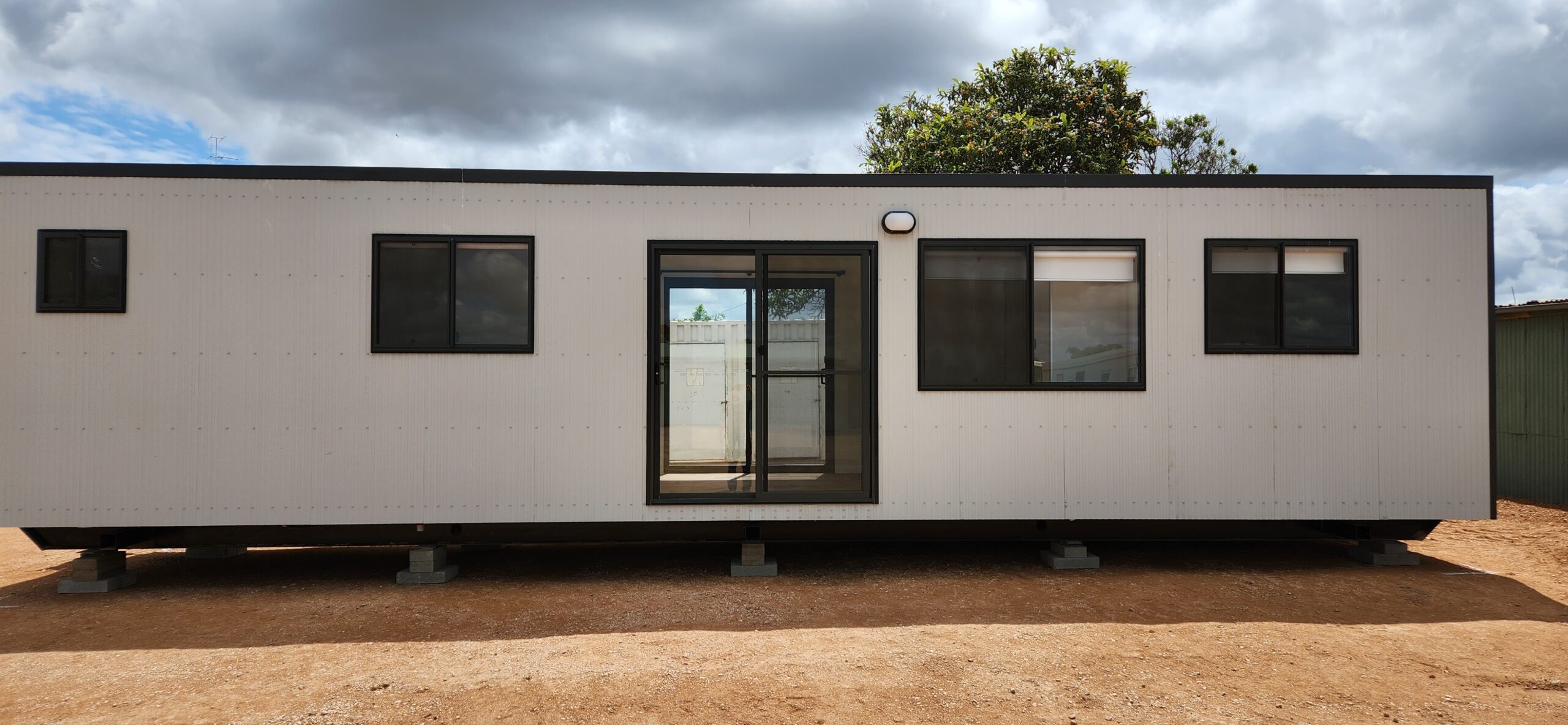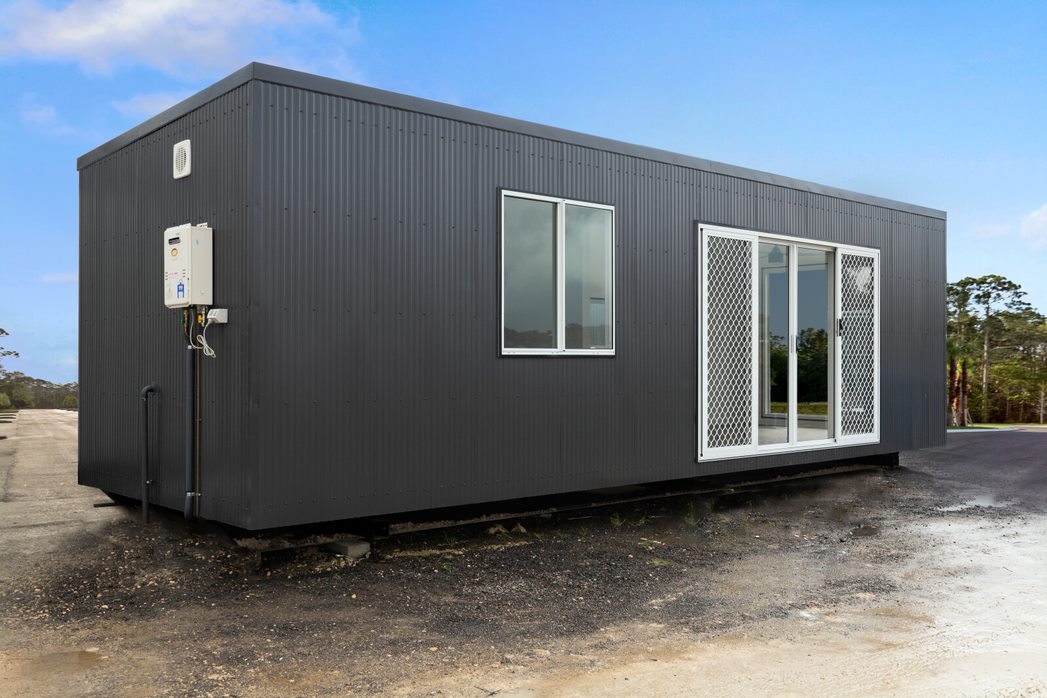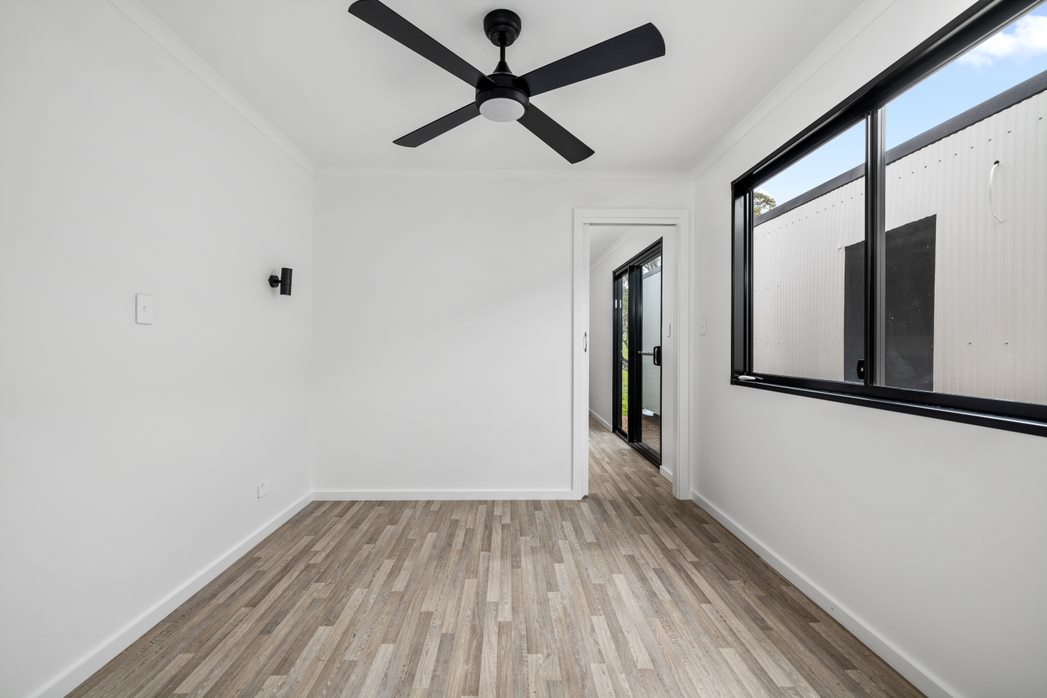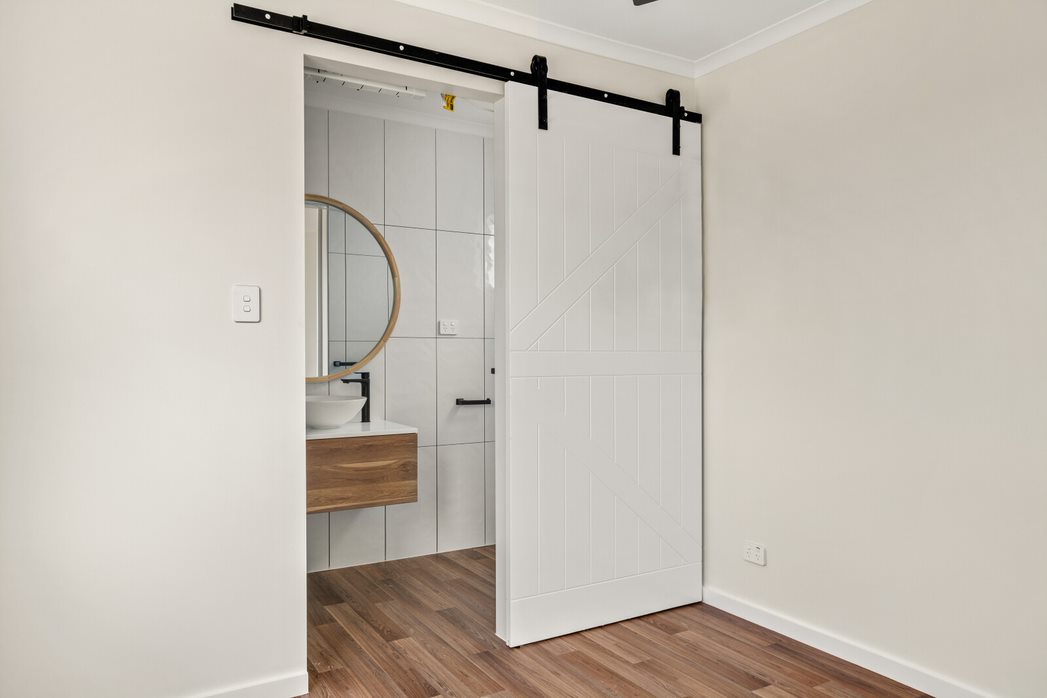
Modular homes can be a practical way to get a brand-new home on your block without going through a long, fully on-site build. If your budget is under $200k, the key is knowing what the base price usually includes, what is optional, and what sits outside the modular home build entirely (like site works and services).
This article walks you through what you can realistically expect under $200k using our latest catalogue pricing as a source of truth.
What Is a Modular Home?
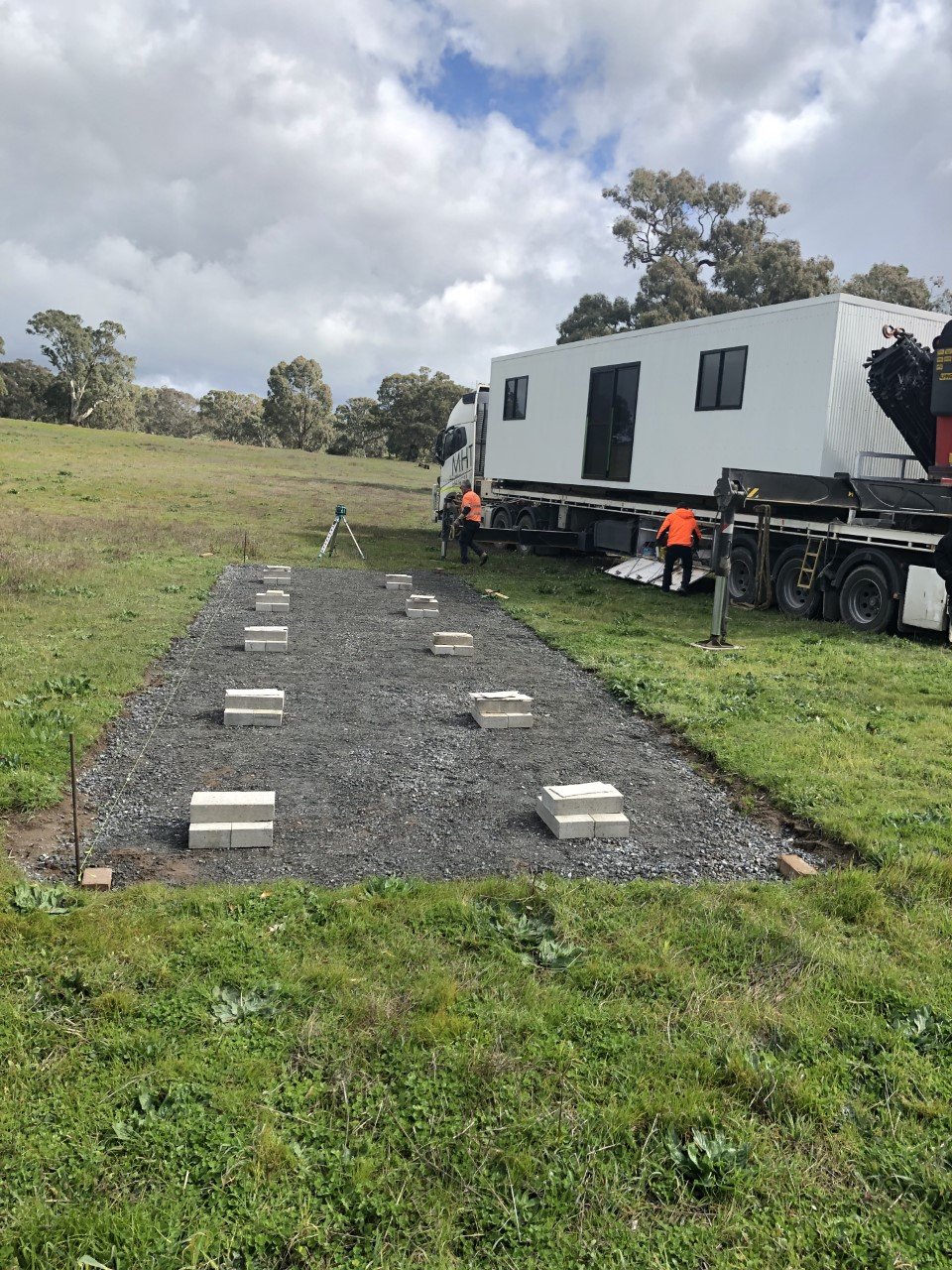
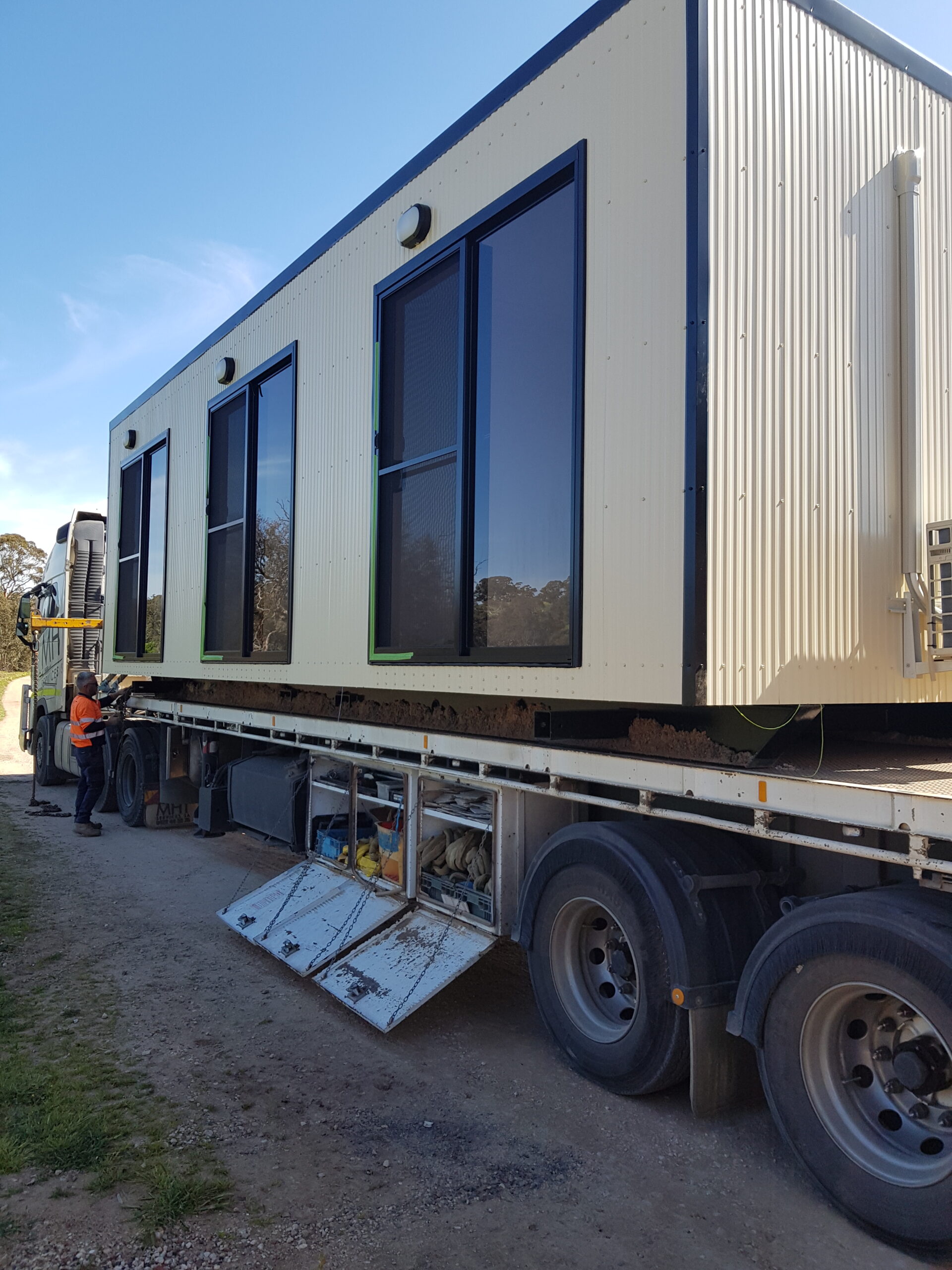
A modular home is built largely off-site in a factory-controlled environment, then transported to your property and installed on prepared foundations. It’s still a permanent dwelling and typically needs the same type of planning and building approvals you’d expect for a residential build, depending on your location and council requirements.
Modular vs Traditional Builds
With traditional construction, the build happens on your block from start to finish. With modular, most of the structure is built off-site, then delivered and installed.
In practical terms, modular can mean:
- fewer weather delays during the main build phase
- more consistent quality checks during manufacture
- a shorter on-site installation window compared to a full build from scratch
What “Under $200k” Usually Covers (And What It Doesn’t)
This is where most people get caught out.
What the base modular home price often includes
Our catalogue lists standard inclusions such as:
- vinyl flooring
- external cladding
- standard insulation
- ceiling lights
- steel frames
- strong steel skid base
- colour coded flashings
- smoke detector
- double power points
What is commonly an add-on
The catalogue also lists add-ons like:
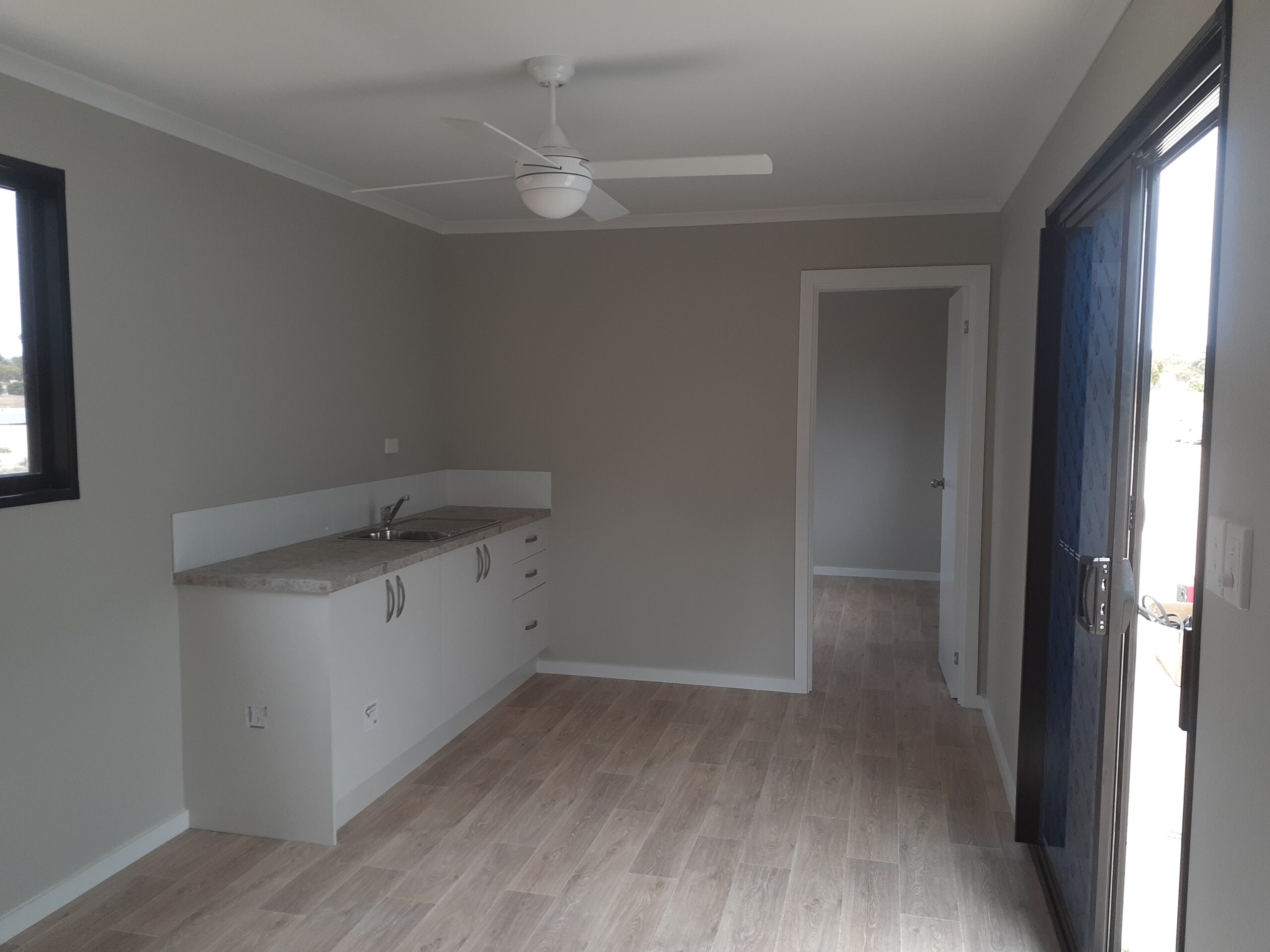
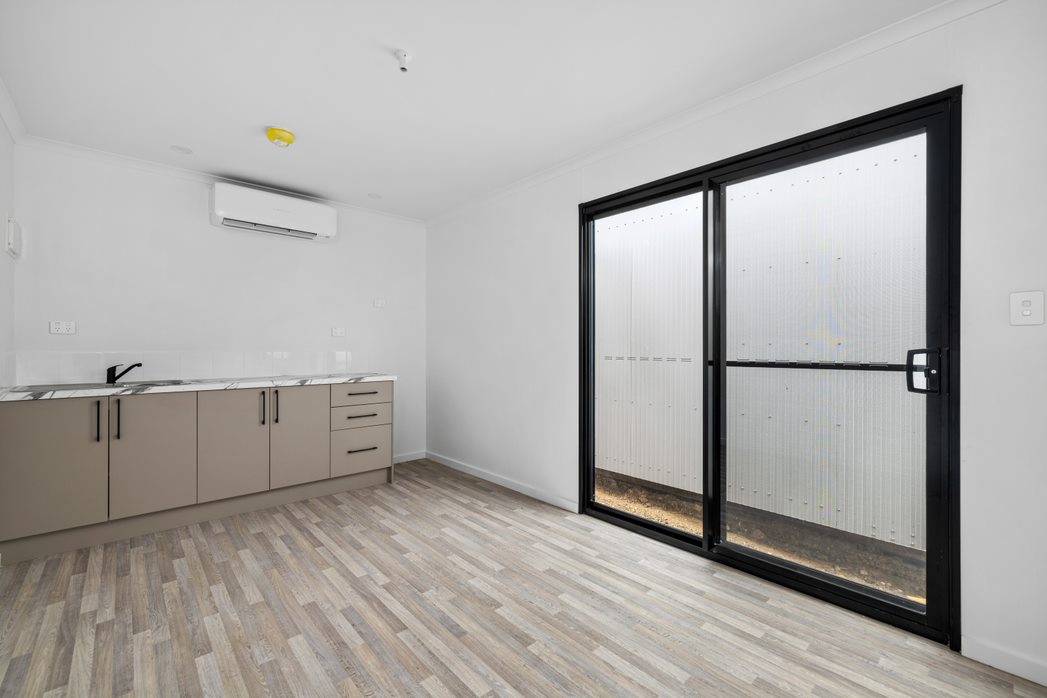
- kitchen and appliances
- bathroom
- laundry
- patio
- air conditioner
- wardrobes
- roller blinds
- data points and TV point
- guttering
- ceiling fans
What is typically outside the modular home price
These items are usually separate line items you need to budget for (and they vary by site):
- site preparation and earthworks
- soil tests and engineering (as required)
- foundation requirements (stumps, piers, slab, etc.)
- delivery and installation logistics (access, crane needs, permits)
- utility connections (power, water, sewer, telecoms)
- council approvals and any reports your council requires
- finishing costs on site (depending on your inclusions and your site)
If you want to keep the total project under $200k, these “outside the build” costs matter just as much as the building itself.
Price Guide: Examples Under $200k (From Our Catalogue)
Below are examples from our pricing catalogue, all shown as “from” pricing. These are helpful benchmarks when you’re comparing size, layout, and what you might expect at each level.
Entry-level: compact studios and small 1-bed options
Good for secondary dwellings, guest stays, or simple living setups.
- 6×3 Compact Studio from $48,638
- 6×3 Compact Retreat from $54,333
- 9×3 Cozy Range from $70,287 (variant also shown from $73,605)
What to expect: a smaller footprint and a simpler base spec. You’ll want to confirm inclusions carefully if you need a full bathroom, kitchen, and heating and cooling, as these are often treated as add-ons depending on the build.
Mid-range: more liveable layouts
Better for everyday use, longer stays, or when you want clearer separation between living and sleeping zones.
- 12×3 Casa Range from $89,785 (variants from $92,186 and $98,997)
- 12×3.5 Casa Lux from $105,433
- 7×4 Granny Flat from $73,633
- 9×4 Cozy Range from $89,394
- 12×4 Retreat from $113,590
What to expect: more space to work with, and often a more “home-like” flow. This is also where finishing choices can move the total cost quickly, especially once you add bathrooms, kitchen inclusions, and services.
Upper range under $200k: family-friendly footprints
Where you start seeing bigger layouts that feel closer to a full-sized home.
- 12×6 Premium Casa from $169,377
- 9×6 Premium Casa from $130,759
- 14×4 Premium Casa from $132,054 (variant also shown from $138,654)
What to expect: larger living areas and more flexibility. This price point can still blow out if you have complex site conditions, higher-end internal finishes, or long runs for utility connections, so budgeting is everything.
Cabins that also sit under $200k
Depending on your use case, cabin-style options can be another pathway for a simpler build.
- 6×3 Cabin from $54,683
- 10×3 Cabin from $79,165
- 12×4 Cabin from $115,870
How To Budget Properly
If you’re aiming for a “dream home under $200k,” the smartest approach is to treat the modular home price as one part of the total project.
A solid budgeting process usually includes:
- confirming your site preparation requirements early
- understanding foundation requirements upfront
- mapping utility connections before finalising a design
- checking what’s included vs add-ons (kitchen, bathroom, air con, and so on)
- leaving a buffer for finishing costs and any unexpected site constraints
The goal is a smooth building journey, not a surprise invoice late in the building process.
Are Modular Homes Worth It Under $200k?
They can be, especially when you want:
- a clearer home design process
- more predictable quality assurance during manufacture
- less on-site construction time compared to a fully traditional build
- a sustainable home outcome through better insulation choices and smart inclusions
The key is transparency. If you understand what the base price includes, and you plan for site costs and services properly, modular can be a strong option for modern living under a realistic budget.
Next Step: Get Clear Pricing for Your Site
If you’re considering modular homes under $200k in Australia, the fastest way to get real clarity is to share your location, site access details, and the type of home you want. From there, we can help you narrow down designs and provide a quote that reflects your site requirements.
Frequently Asked Questions
Are prefab homes and prefabricated homes the same thing?
In most cases, yes. Terms like prefab homes, prefabricated homes, and prefab houses are often used interchangeably. Modular homes fall under the broader prefab category, using modular construction where sections are built off-site and then installed on your land.
Are modular homes considered transportable homes or portable homes?
They can be. Many modular builds are designed as transportable homes and delivered to site for installation. People also refer to them as portable homes or transportable houses, but the key difference is that modular homes are typically installed as a permanent dwelling and must meet relevant building requirements.
How long is the build time for off-site construction?
Build time depends on the size, layout, and inclusions. Because of off-site construction, much of the work is completed before the home arrives on your property, which can shorten the on-site phase. Your total timeline will still depend on approvals, site preparation, and delivery scheduling.
Are prefab homes energy efficient?
They can be, especially when designed with energy efficiency in mind. Insulation, glazing, ventilation, and heating and cooling choices all affect how the home performs across the seasons.
Do modular homes use sustainable materials?
Some do. A sustainable home is usually the result of good design combined with thoughtful material selection. Options may include sustainable materials, improved insulation, and features that support lower energy use over time.
What is the environmental impact of modular-building technology?
Modular-building technology relies on factory-based production, which can reduce material waste compared to some traditional builds. It can also limit weather-related delays and material damage during construction. The overall environmental impact still depends on the final design and inclusions.
Are electrical fittings included in the base price?
Often, yes, at a basic level. Many builds include standard electrical fittings such as lights and power points, but the quantity, layout, and any upgrades can vary. Always review the inclusions list carefully.
Can you build custom granny flats as prefabricated homes?
Yes. Custom granny flats are one of the most common applications for prefabricated homes. Modular construction can be a practical option for creating an independent living space, subject to council requirements.
Do you offer modular solutions for commercial projects?
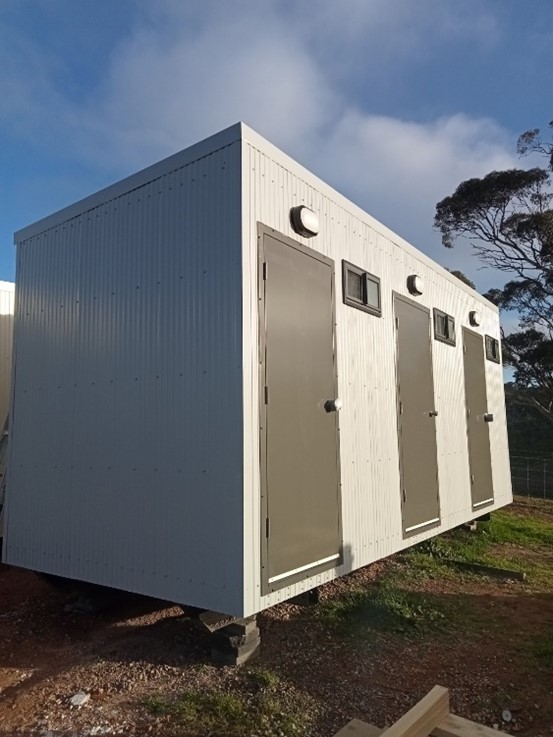
Yes. Modular construction is commonly used for commercial projects such as offices, classrooms, amenities blocks, and staff facilities, with layouts and inclusions tailored to the intended use.