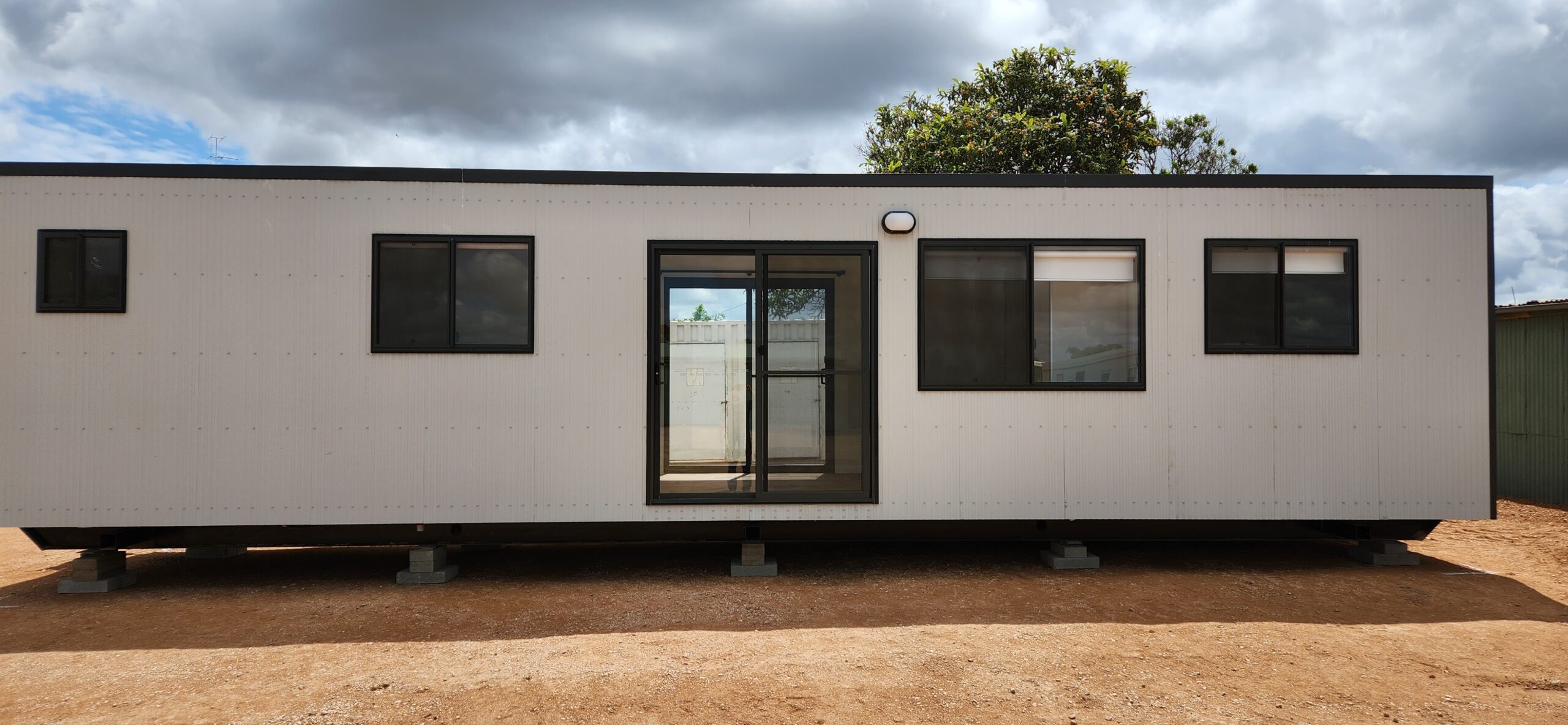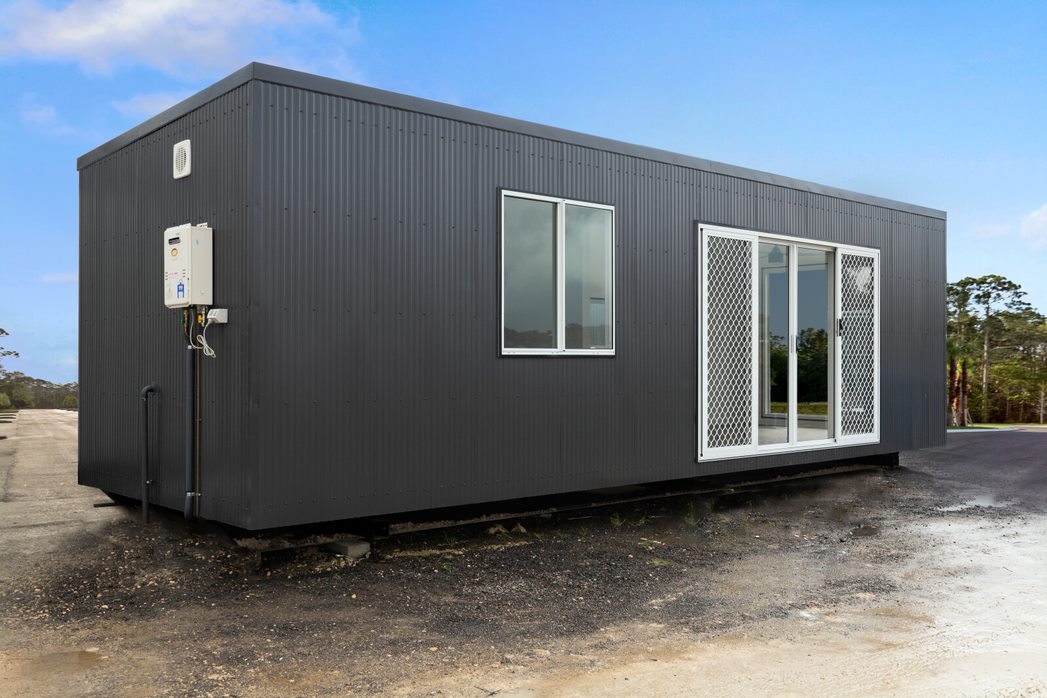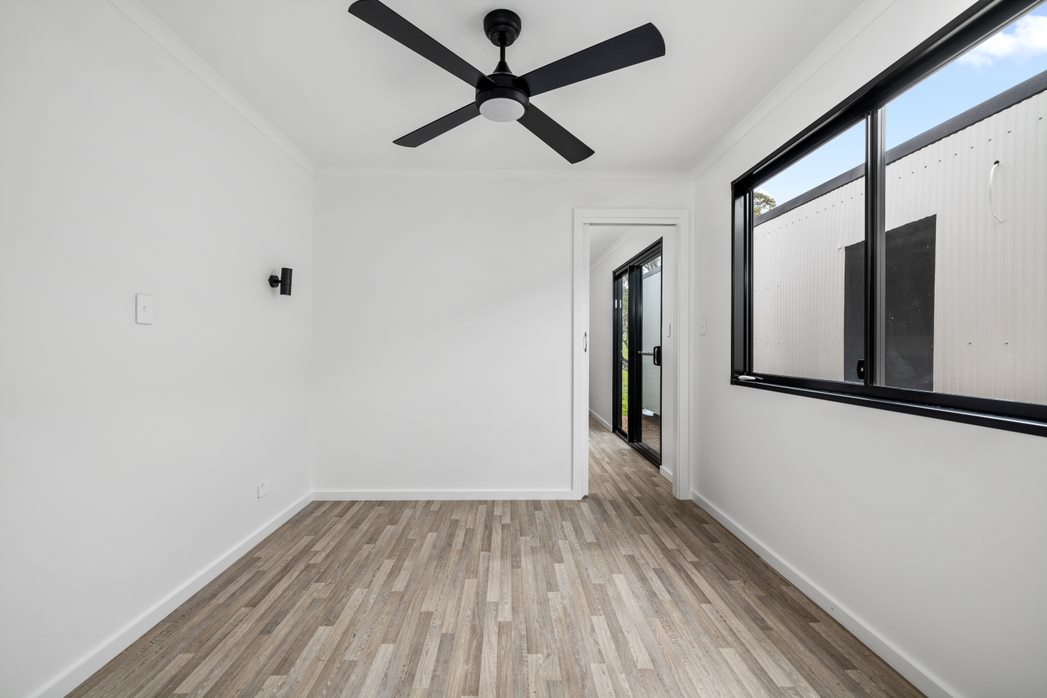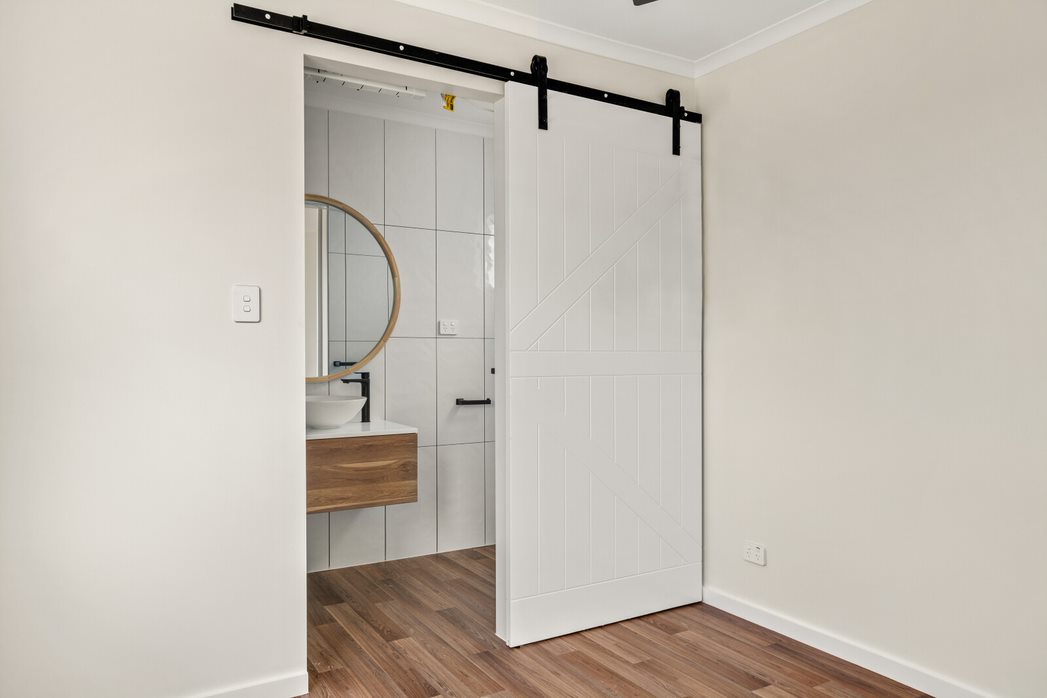
Building a modular home is one of the fastest-growing paths to homeownership in Australia, but the financing side of the process still trips up a lot of buyers. Modular homes are built off-site in a factory and then delivered to your land, which is a departure from how traditional home loans are structured. The good news is that lenders are catching up, and in 2026, the options available to Australian buyers are broader and more flexible than they’ve been in years.
This article walks through how modular home financing works, what’s changed recently, and what to expect when applying for a modular home loan.
Why Modular Home Financing Works Differently
A standard construction loan releases funds in stages as physical work is verified on-site by the bank. For a traditional build, that’s straightforward: the slab goes down, the frame goes up, the roof goes on, and each stage triggers a progress payment.
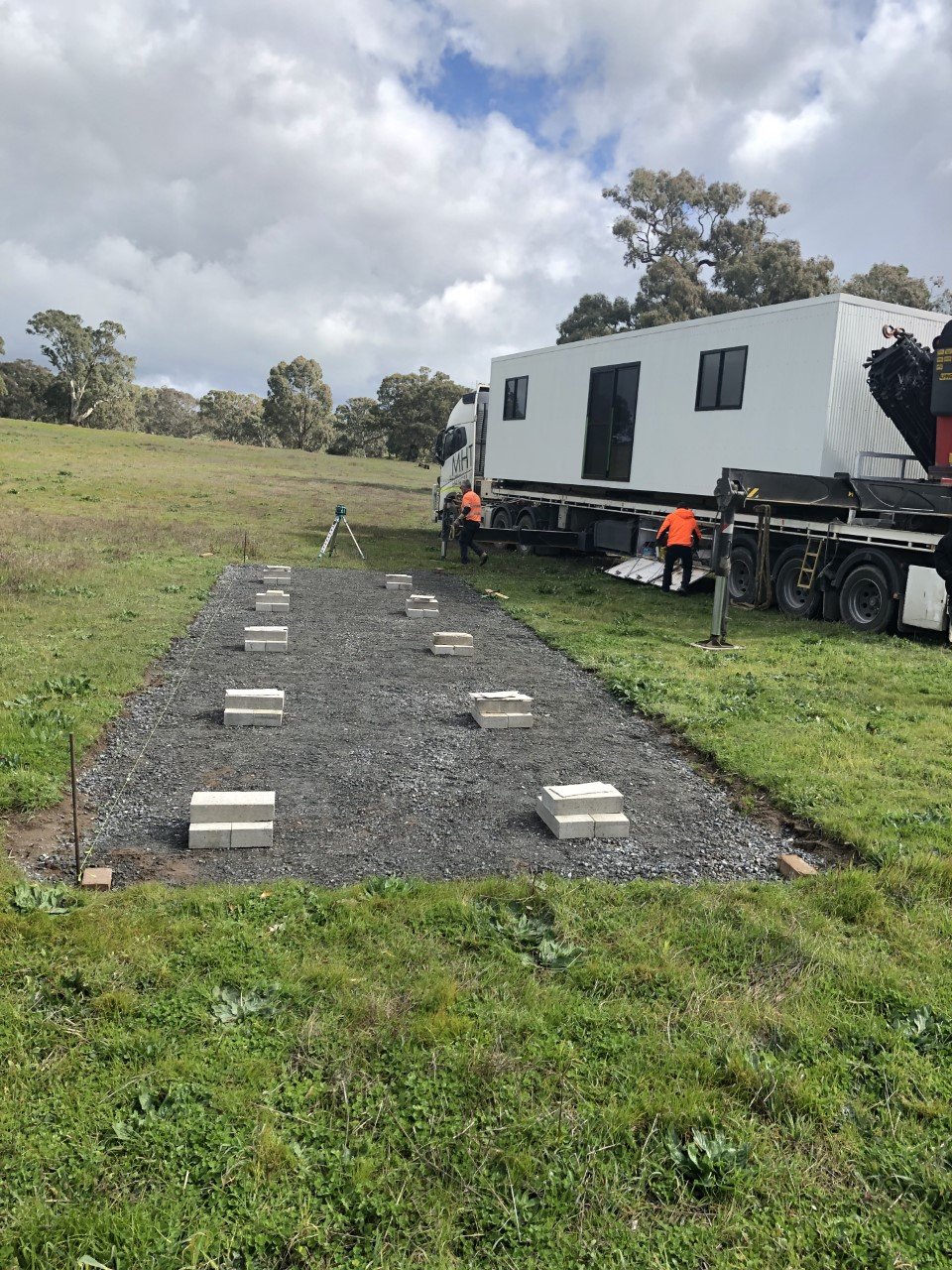
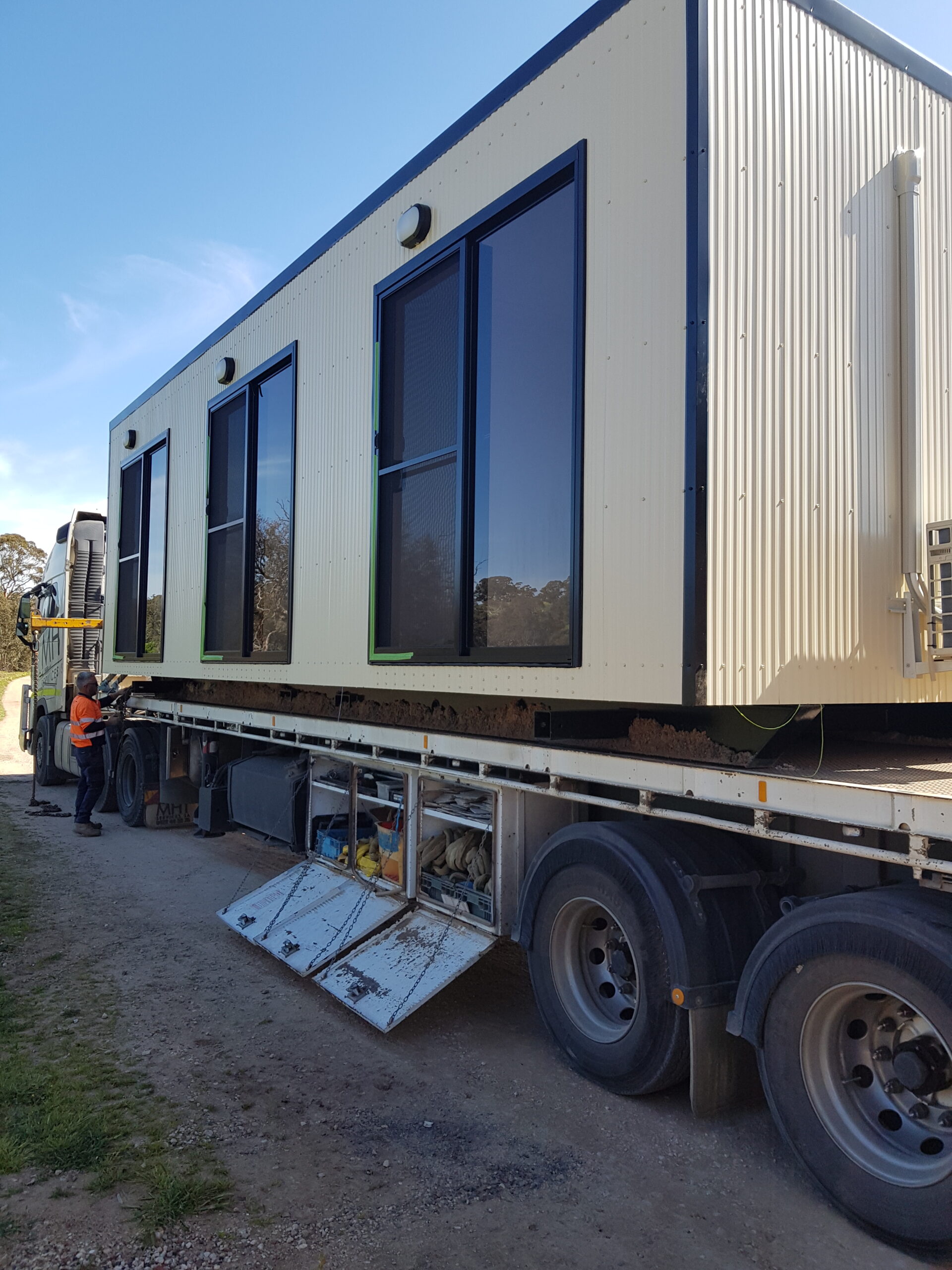
Modular homes flip this model. Most of the construction happens in a factory, often hundreds of kilometres from the final site. The home arrives 80 to 90 per cent complete, then gets installed on the land over a short period. This means buyers have historically faced a funding gap: they needed to pay the builder during the factory build stage, but banks wouldn’t release funds until the home was physically on the land.
For a long time, this forced many buyers to self-fund the factory build or rely on builder-led payment plans. Things have shifted significantly in the last two years.
Recommended Read: Modular Home Cost in Australia: The Truth Behind The Price Tag
What’s Changed: The Big Four and Modular Lending
In 2025, Commonwealth Bank became the first major Australian bank to offer progressive drawdown funding during the factory build stage. Under this pathway, CBA lends up to 80 per cent of the contract value on fixed-price builds from a list of approved modular manufacturers, with a cap of $1.5 million. Buyers working with builders outside that approved list can still access loans, typically up to 60 per cent of the value.
As of late 2025, Westpac, NAB and ANZ had not yet matched CBA’s approach, and still only provide mortgages once the modular home is installed and fixed on the land. However, the Federal Government has been actively lobbying the other big four banks to follow suit, and industry commentators expect movement from at least one more major lender through 2026.
Outside the big four, a number of smaller banks, credit unions and non-bank lenders have built specialist modular home loan products. Bankwest has introduced dedicated modular financing options in WA, and state-backed lenders like Keystart offer low-deposit loans for prefab homes in that market. For buyers in other states, a mortgage broker who specialises in modular construction is often the quickest way to match a builder with a lender who understands the build process.
Types of Loans Available for Modular Homes
There are a few different loan structures buyers typically use when financing a modular home in Australia.
- A construction loan is the most common option. It’s structured similarly to a traditional construction loan, with funds released in progress payments as the build moves through agreed milestones. For modular projects with a lender like CBA, those milestones can include factory stages. With most other lenders, drawdowns only begin once the home is on-site.
- A standard home loan may be used where the modular home is already completed, delivered and fixed to the land before settlement. This is more common when buying an existing modular build or a house-and-land package from a builder who self-funds the factory stage.
- A land loan combined with a construction loan is often used when buyers already own land or are purchasing a block first. You finance the land as one loan, then move into a construction loan once you’re ready to build.
- Finally, personal loans or builder finance arrangements are sometimes used for smaller modular projects, granny flats or cabins where a full home loan isn’t the best fit. These usually carry higher interest rates and shorter terms, so they’re worth thinking through carefully.
The Pre-Approval Process
Pre-approval for a modular home loan follows the same general steps as any home loan, but with a few extra considerations.
The first step is speaking with a lender or mortgage broker who has experience with modular builds. Not every lender is comfortable with off-site construction, and a broker can save you time by pointing you toward the ones that are. They’ll also help you understand which loan structure suits your project.
You’ll need to provide standard documentation: proof of income, bank statements, ID, details of any existing debts, and evidence of your deposit. For a modular build, you’ll also need documentation from your builder, including the fixed-price contract, build plans, a project timeline, and confirmation that the home will be permanently affixed to the land and comply with the National Construction Code.
Lenders typically value the finished project on an “as if completed” basis, meaning they assess what the home will be worth once installed on the land. This is generally reassuring for buyers, as modular homes aren’t valued meaningfully differently from traditional homes in this respect.
A 20 per cent deposit is a standard benchmark, but lower deposits are possible depending on the lender and whether you’re eligible for government schemes.
Government Schemes and Modular Homes
First-home buyers building a modular home may be eligible for several government incentives, most of which have become more accessible in the last year.
The First Home Guarantee was significantly expanded from 1 October 2025. Income caps have been removed, place limits have been scrapped, and property price caps have been increased (for example, $1.5 million in Sydney and $1 million in Brisbane). Eligible first-home buyers can now purchase or build with a 5 per cent deposit and avoid Lenders Mortgage Insurance. Modular homes qualify, provided they meet the lender’s requirements for permanent affixture and registered land title.
The First Home Owner Grant is a state-administered cash payment for eligible first-home buyers building or buying a new home. Amounts vary by state, with Queensland and South Australia currently offering $30,000 for new home contracts signed within eligible dates, and other states sitting between $10,000 and $15,000.
Stamp duty concessions, the First Home Super Saver Scheme, and state-based energy efficiency rebates can also apply to modular builds.
Tips for Securing Modular Home Financing
A few practical things can make the process smoother.
Speak to a broker early, ideally before you sign a builder contract. They’ll help you understand your borrowing capacity and match you with a lender comfortable with modular construction.
Get a fixed-price contract from your builder rather than a cost-plus arrangement. Banks strongly prefer fixed-price contracts for construction lending, and this alone can open up more options.
Organise your documentation in advance. Income evidence, builder contracts, plans and deposit proof should all be ready before you submit an application.
Budget for the full project, not just the kit or factory cost. Site preparation, transport, connection to services and council fees can add significantly to the total, and your lender will want all of this factored into the contract.
Finally, ask your builder which lenders they’ve worked with before. Builders who have delivered projects with specific banks can often smooth the process for future buyers, particularly where the lender is already familiar with their build quality and contract format.
Final Thoughts
Modular home financing in Australia has moved from a niche, often frustrating corner of the lending market into something much closer to mainstream. CBA’s shift in 2025, government support for prefab construction, and the expansion of first-home buyer schemes have all made the path clearer for buyers. The process still requires a bit more planning than a traditional build, but with the right lender, broker and builder working together, financing a modular home is well within reach.